A cloudy terracotta floor tile is one of the most common calls I get. The first question is always the same: is the tile ruined? Almost never.
I have spent many years helping homeowners, designers, architects and contractors care for handmade clay floors. The haze, milky film or dull patches people describe come from five causes, and each has its own fix.
In 21 seconds, see the five usual causes of a cloudy terracotta floor and how to tell which one is on yours.
How to Fix a Cloudy Terracotta Floor
of 12
Why Is My Terracotta Floor Turning White? Start With the Cause
Run a dry fingertip across the white area. If powder comes off, you have salts on the surface.
If nothing comes off and the cloud sits under a shine, the sealer is the problem. Clients usually think it’s dirt, but on most floors I see, the haze is inside the coating.
02
of 12
White Powder That Brushes Off: Terracotta Efflorescence
Terracotta is fired clay, and it holds water like a sponge. When moisture rises through the tile and dries, it leaves white mineral salts behind. It often shows up after a leak or near outside doors. It looks worrying, but it is usually cosmetic.
03
of 12
Milky, Cloudy Sealer on Terracotta and Saltillo Tile
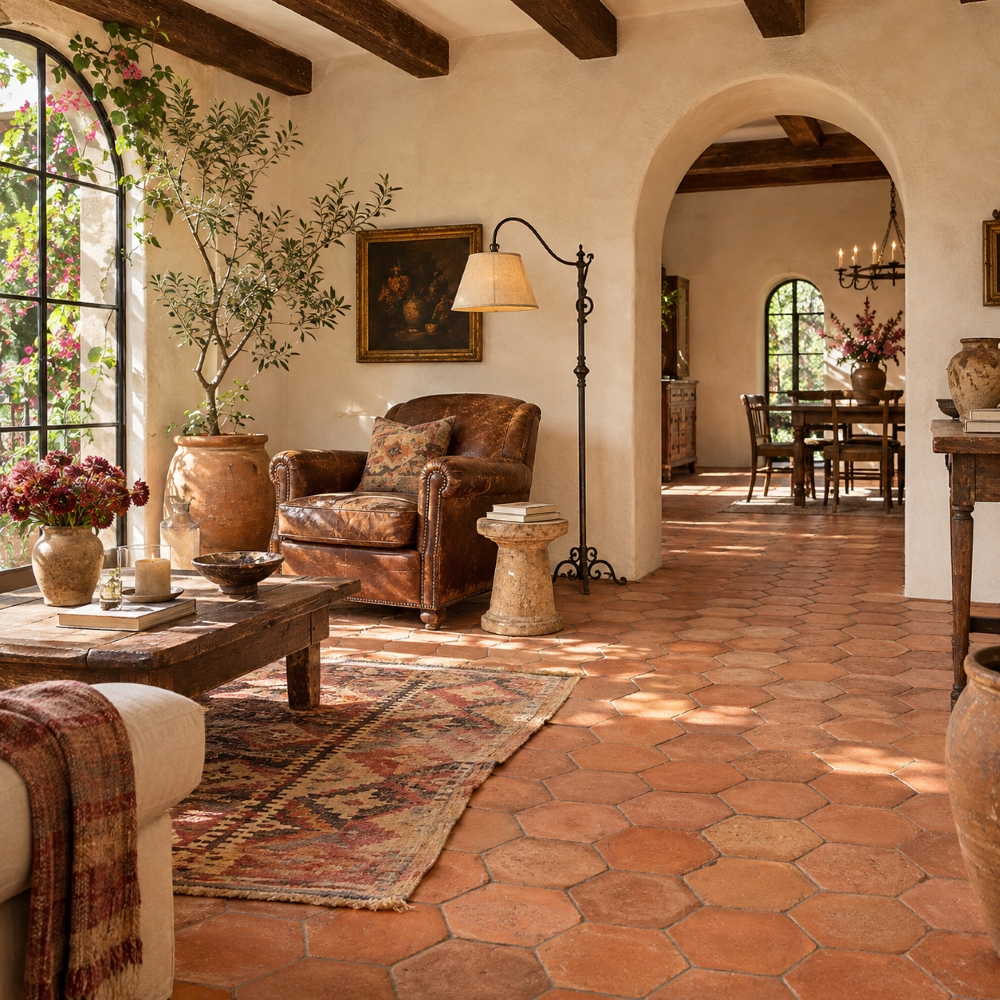
Does the floor turn white wherever water lands? Then look at the coating. Some acrylic waxes and latex sealers turn milky when they stay damp.
Sealer put on tile that was still damp can also trap moisture underneath. Older waxed Saltillo floors often look like this.
04
of 12
White Haze After Installation: Grout and Sealer Residue
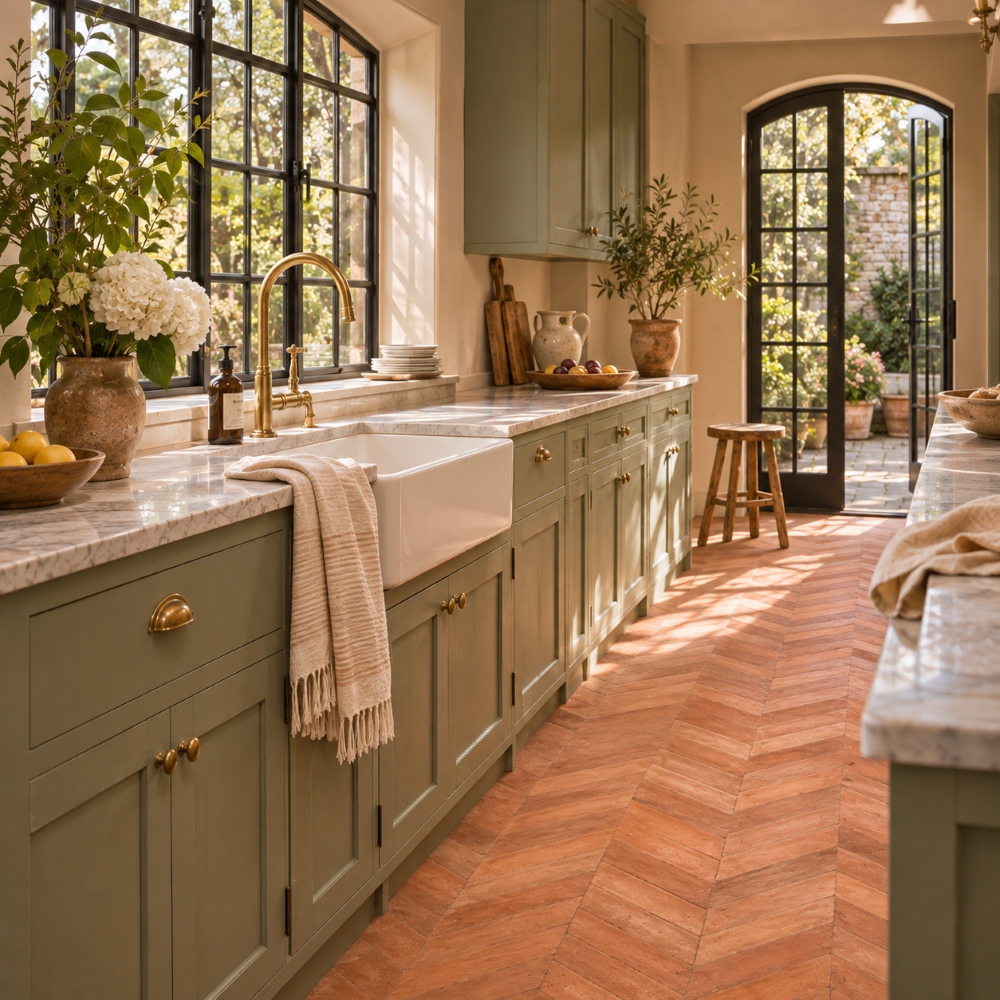
A haze in the first few days is usually grout film or sealer that dried on the surface. Many suppliers leave sealing to the installer.
We talk through sealer and drying time before the project starts, because most cloudy new floors begin in week one. Choosing the best grout for your tile is part of that same talk.
05
of 12
A Dull Terracotta Floor in Traffic Paths: Worn Sealer

Sometimes the floor looks flat along the path to the back door or across a living room, while the edges still shine. That means the sealer has worn away there.
Bare clay soaks up dirt unevenly, so it looks patchy. It’s not a defect, just a sign the floor needs care.
06
of 12
White Marks From the Wrong Cleaner
Bleach, ammonia, alcohol and strong sprays can leave white marks on a waxed or sealed floor. It happens most in kitchens, where spills get scrubbed hard.
The mistake I see most is using a stronger product on the mark, which makes it bigger. A damaged finish usually has to be stripped.
07
of 12
How to Fix a Cloudy Terracotta Floor, Cause by Cause
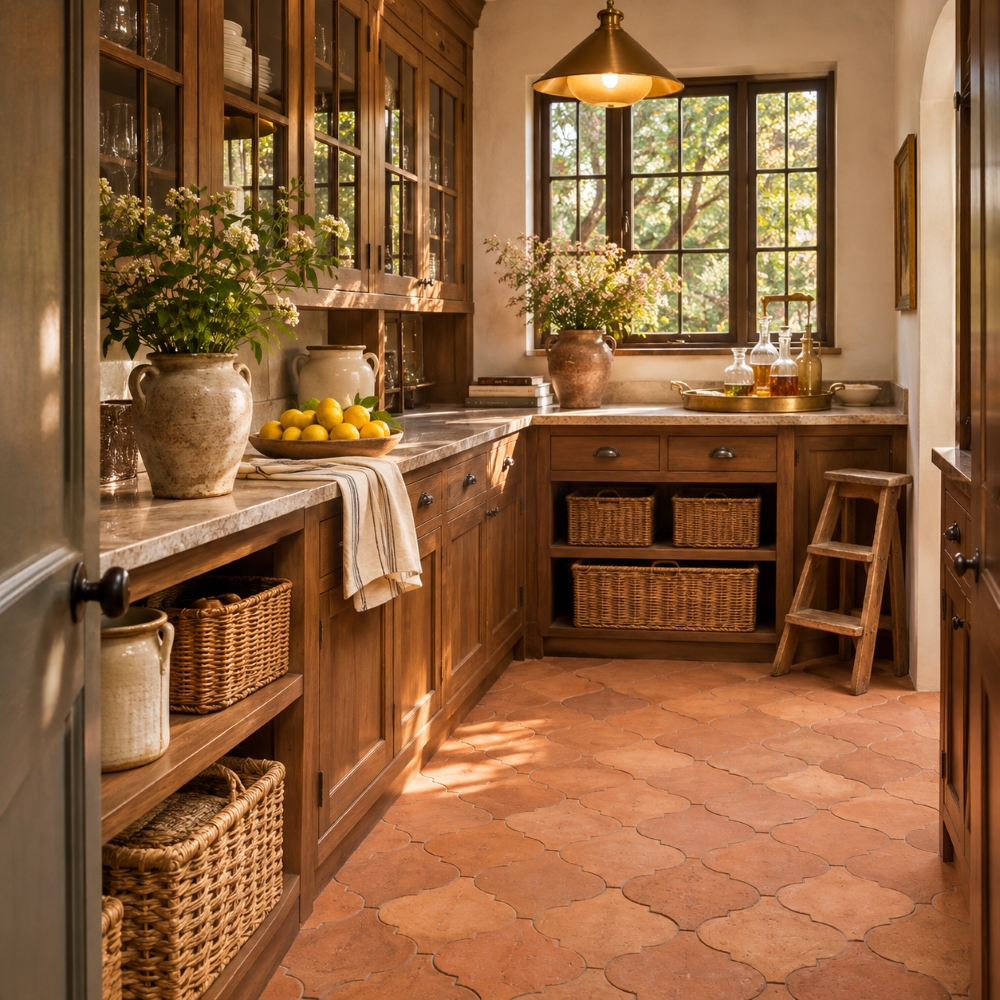
Always start with the gentlest step and test it in a hidden spot. If a gentle clean changes nothing, the problem is in the coating. Then the answer is removing it, not scrubbing harder.
08
of 12
How to Remove Efflorescence From Terracotta Tiles
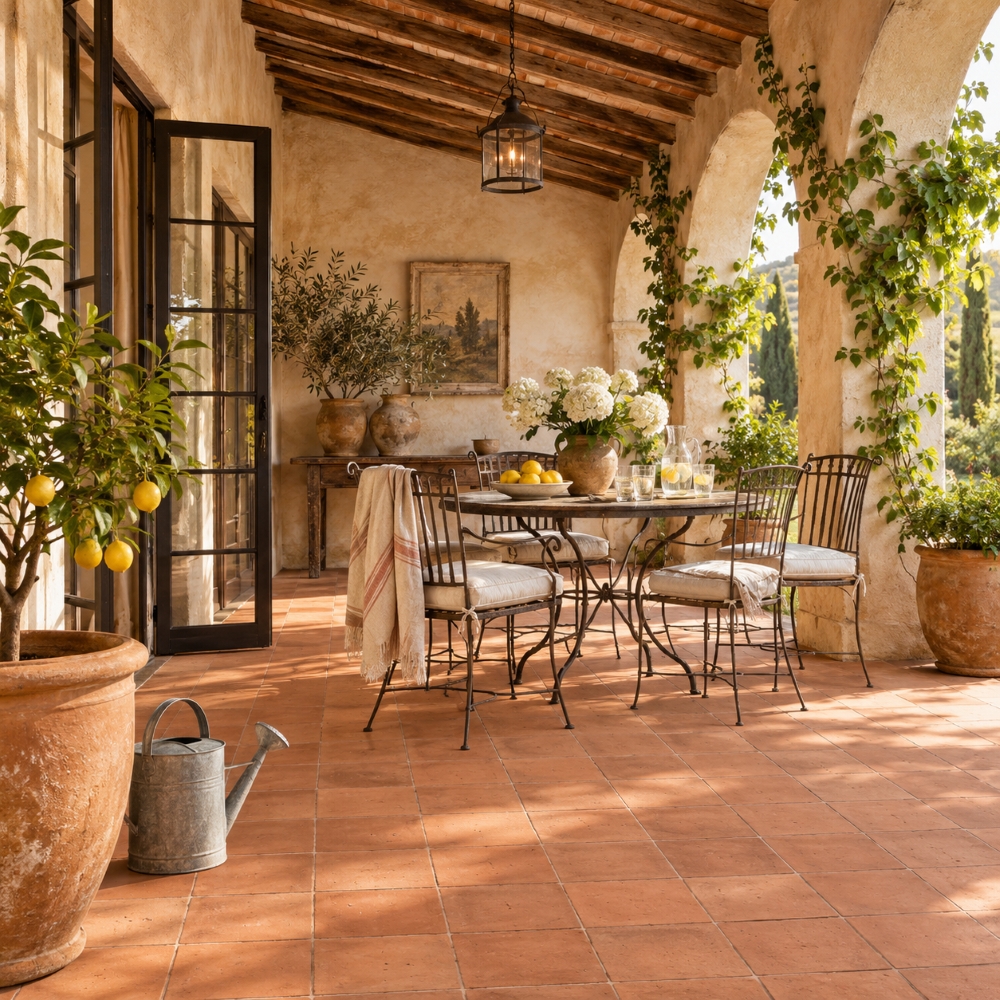
Let the floor dry fully. Brush the salts off with a stiff, dry brush, then wipe with a barely damp cloth.
Fix the moisture source, or the bloom will come back, and never seal over rising salts. Patios get much more water, so this rule matters even more for outdoor tiles and pavers.
09
of 12
How to Remove Old Sealer From Terracotta Tiles and Reseal
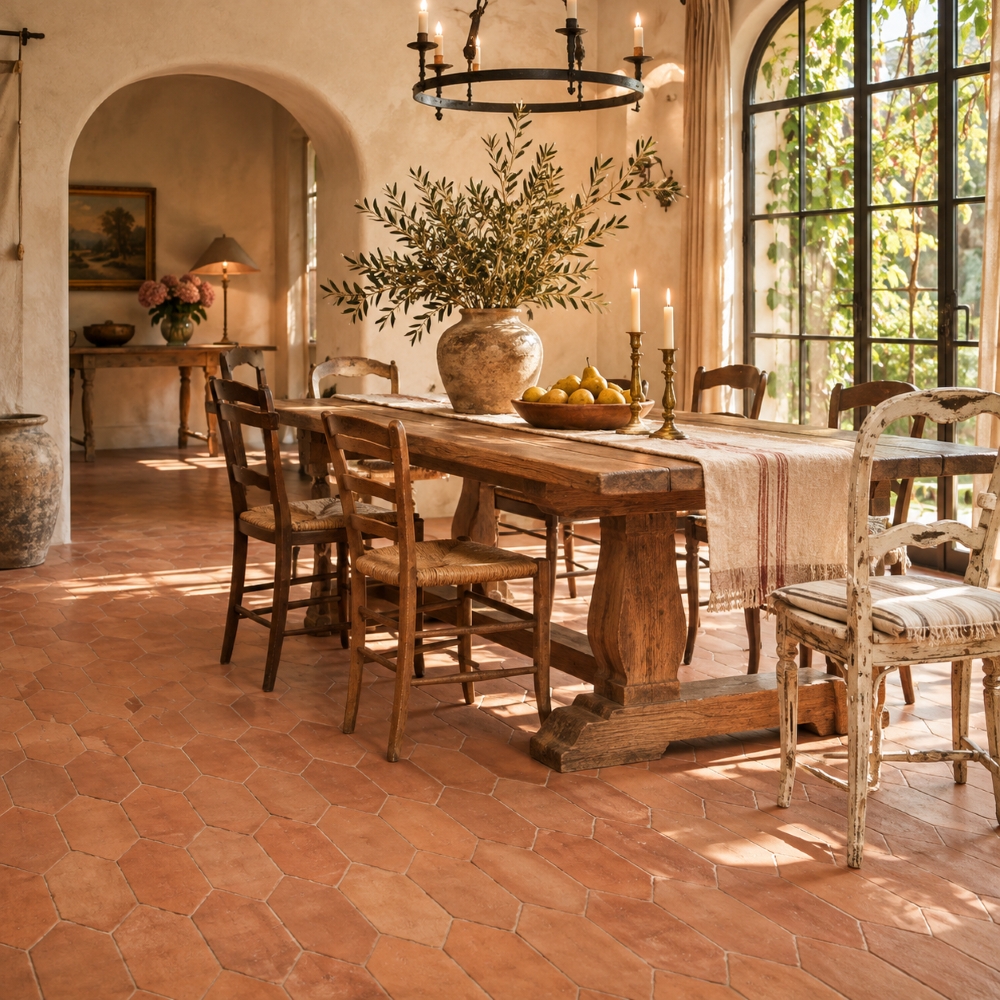
Many people roll a new coat over the cloudy one, and it rarely works. You need a stripper made for that coating, not a haze remover.
Before you reseal, put a few drops of sealer on a test tile. If they bead up, old finish is still there. Then let the clay dry for several days.
10
of 12
When to Call a Terracotta Restoration Professional
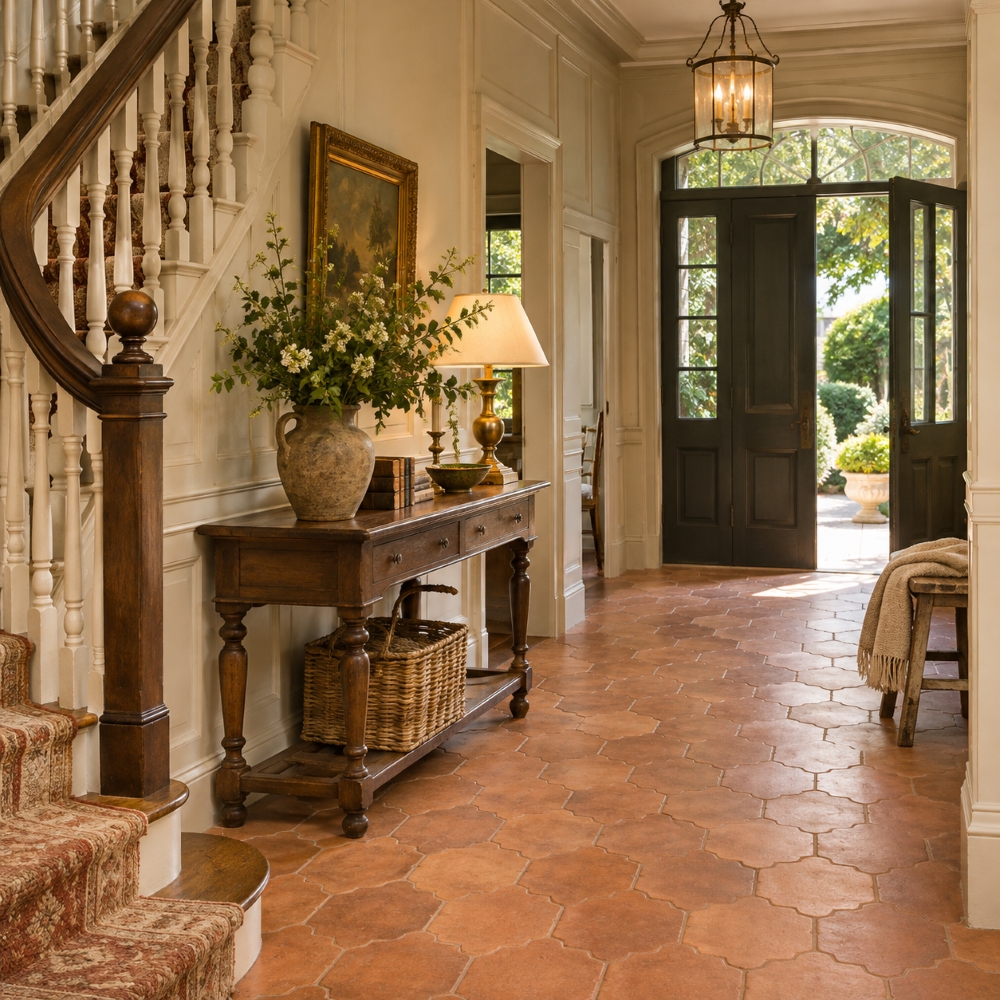
Call a specialist if you don’t know what was applied or stripping didn’t clear the haze. They can test strippers and check moisture with a meter. One visit costs less than a second failed reseal.
11
of 12
How to Clean Terracotta Floor Tiles Without Clouding Them
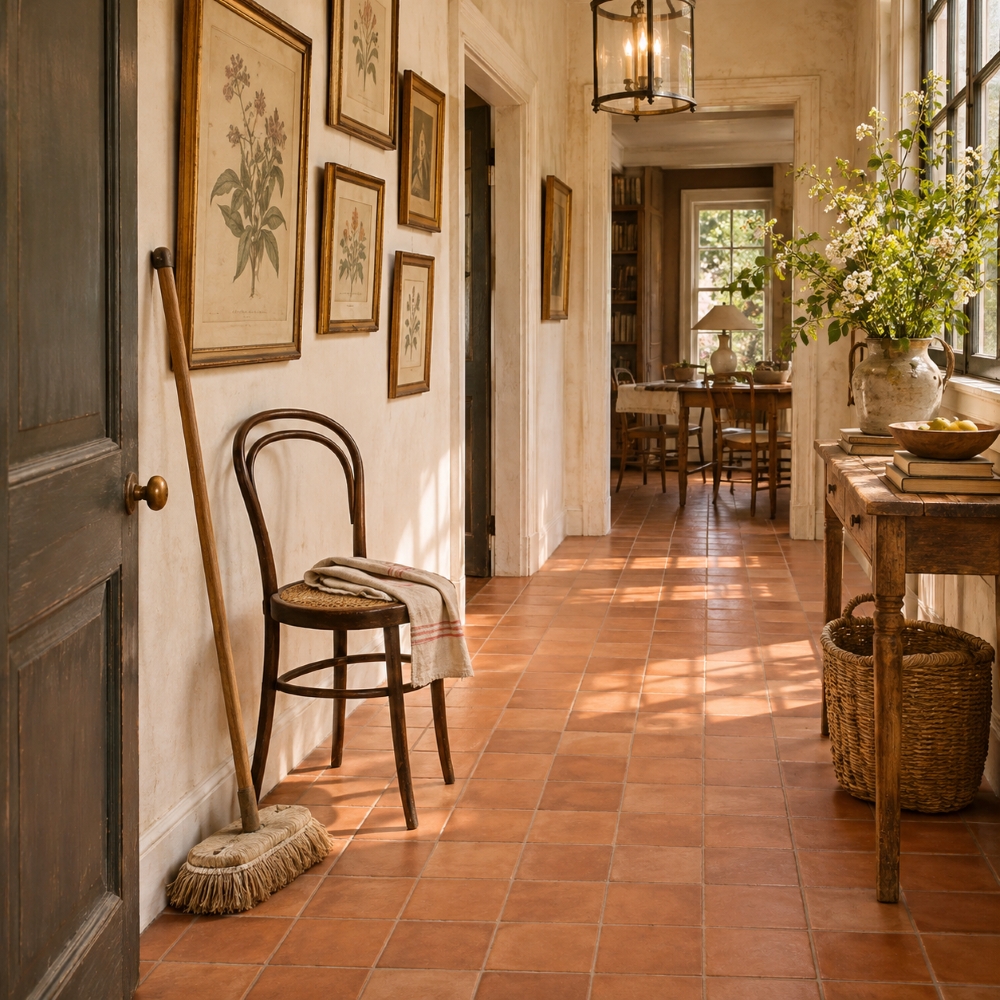
Dust mop often, because grit wears down sealer. Wash with a pH neutral cleaner, and keep vinegar and bleach away from the floor.
Most sealed terracotta floor tiles need resealing every two to three years.
12
of 12
Choosing Terracotta That’s Easier to Live With
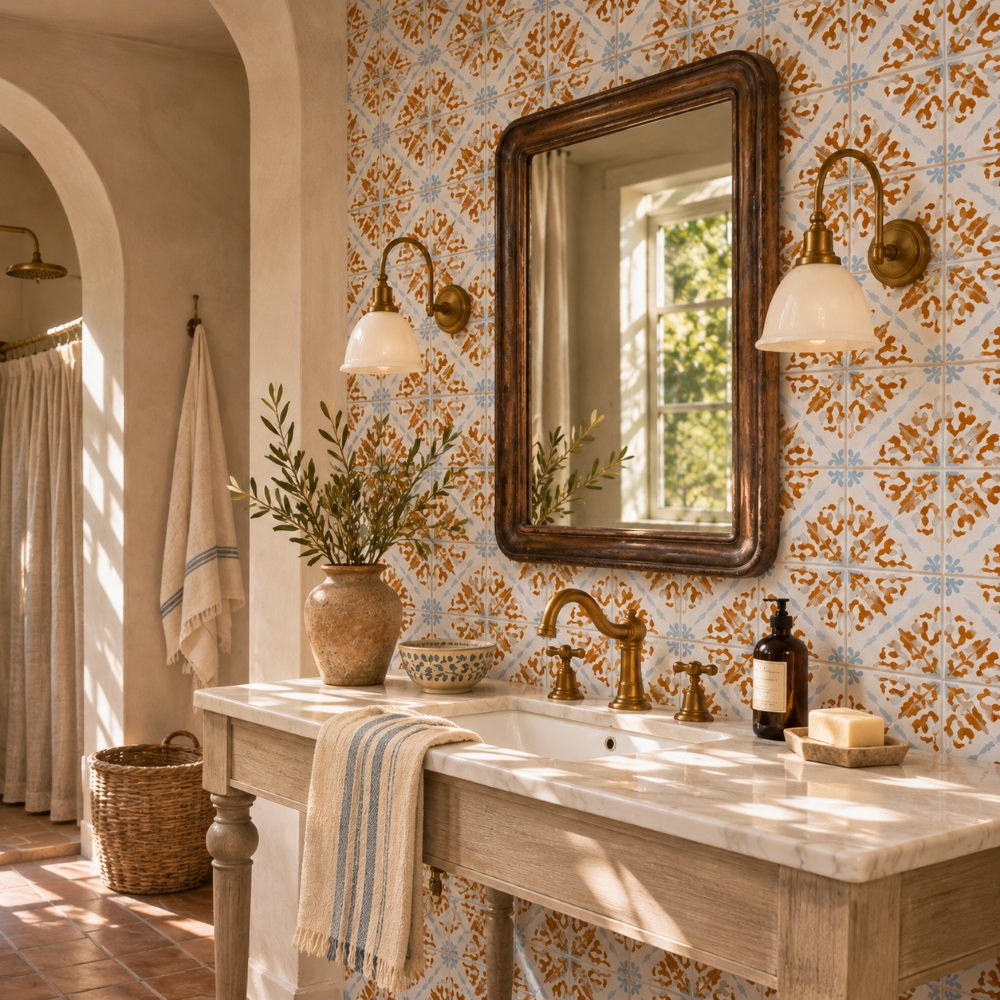
Clients often think glazed tile means no upkeep. In fact, standard glazed terracotta, especially wall tile, isn’t made for floor traffic. Ask for floor rated pieces. Natural terracotta gives the warm patina most people love.
Glazed terracotta tile works best on walls. Keep unsealed clay out of bathroom wet zones. If a shower is part of the plan, comparing terracotta vs. ceramic tile for wet areas will help you decide what goes where.
Restore or Replace Your Terracotta Floor?
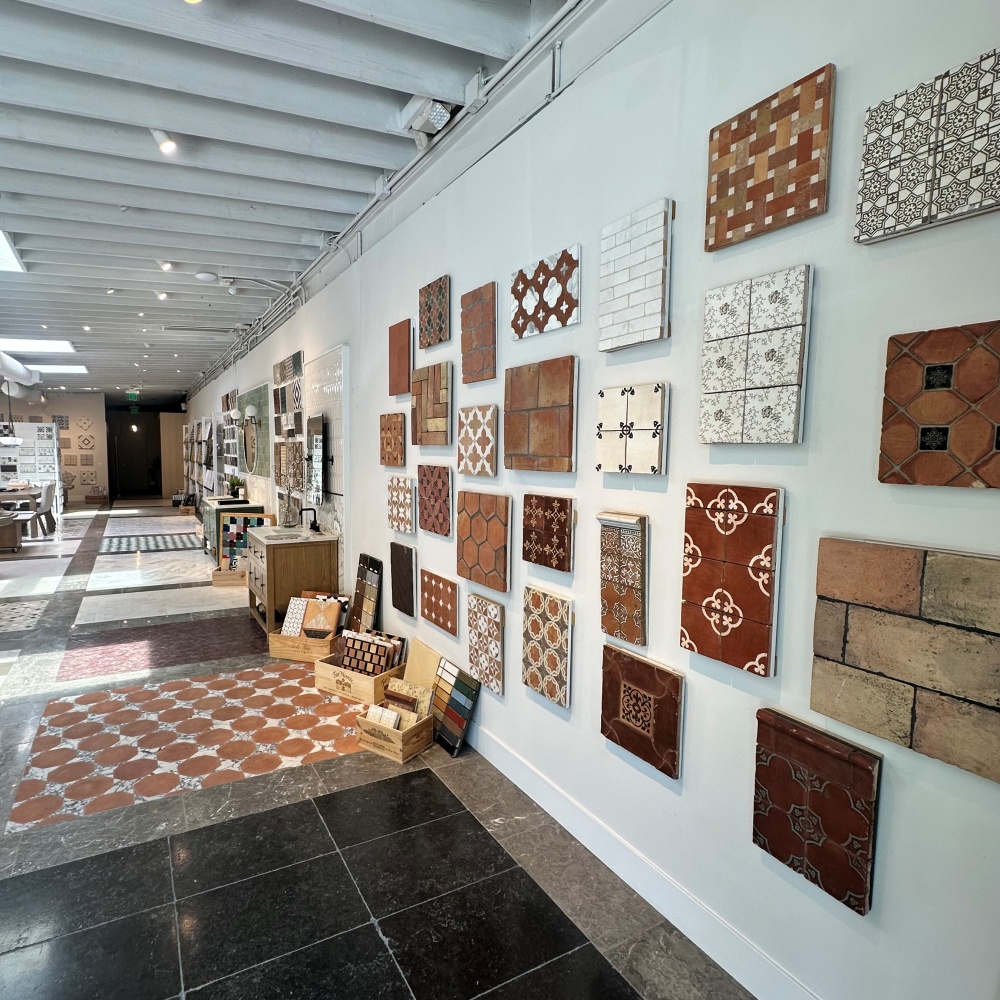
If most tiles are sound, restore them, because decades of patina can’t be bought new. For cracked or missing pieces, made to order tile can come close in size and tone.
Handmade clay never matches perfectly, and I tell clients that up front. The way we fix cracked grout and replace missing tiles in an old floor works for terracotta too: match thickness and size first, then finish and color.
FAQ
Can I use vinegar to clean a cloudy terracotta floor?
No, vinegar can damage cement grout and some sealers, so clean terracotta with a pH neutral cleaner instead.
Can I put a new coat of sealer over a cloudy one?
No, strip the cloudy sealer and let the tile dry fully before you reseal, or the haze will stay trapped.
Is efflorescence on terracotta tile permanent?
No, efflorescence usually brushes off once the floor is dry and the moisture source is fixed.