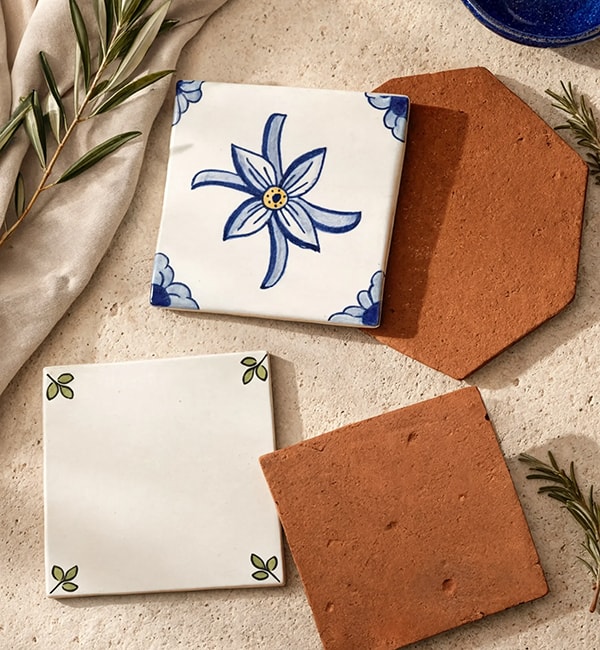
Delft Ceramic Tile
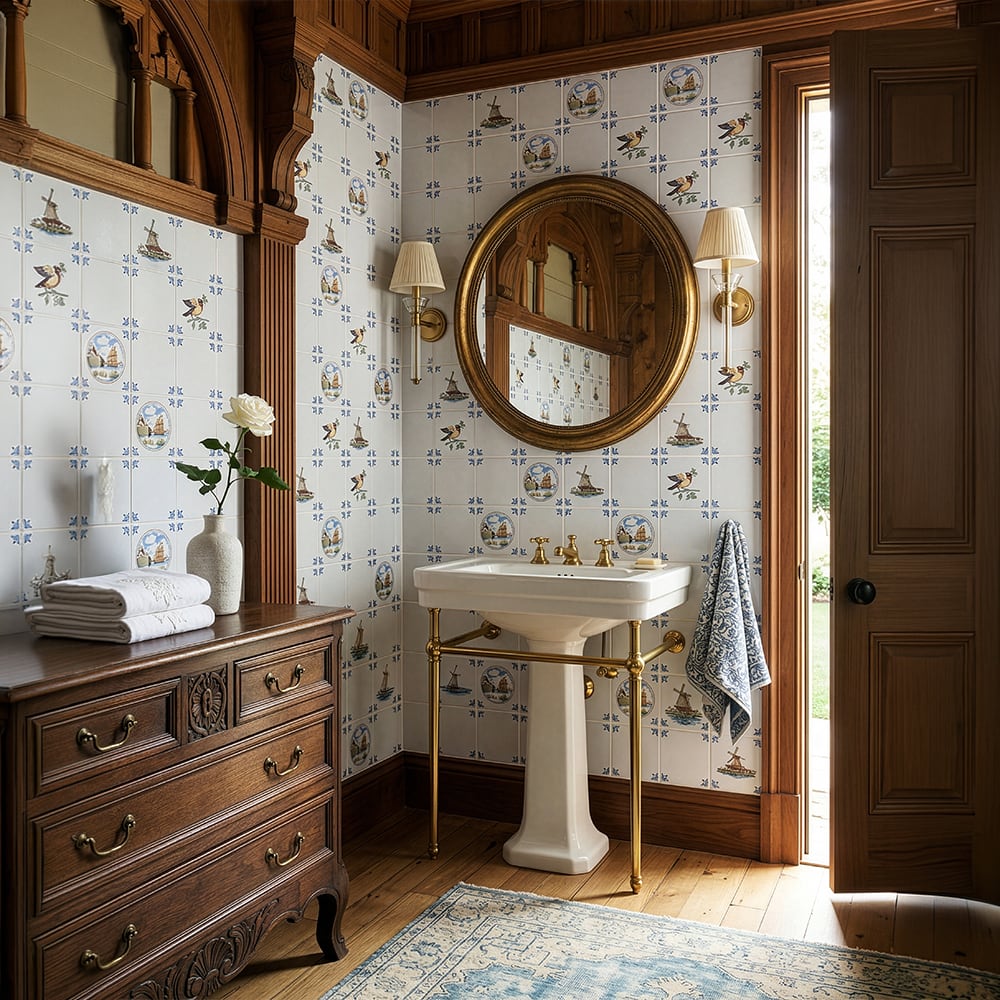
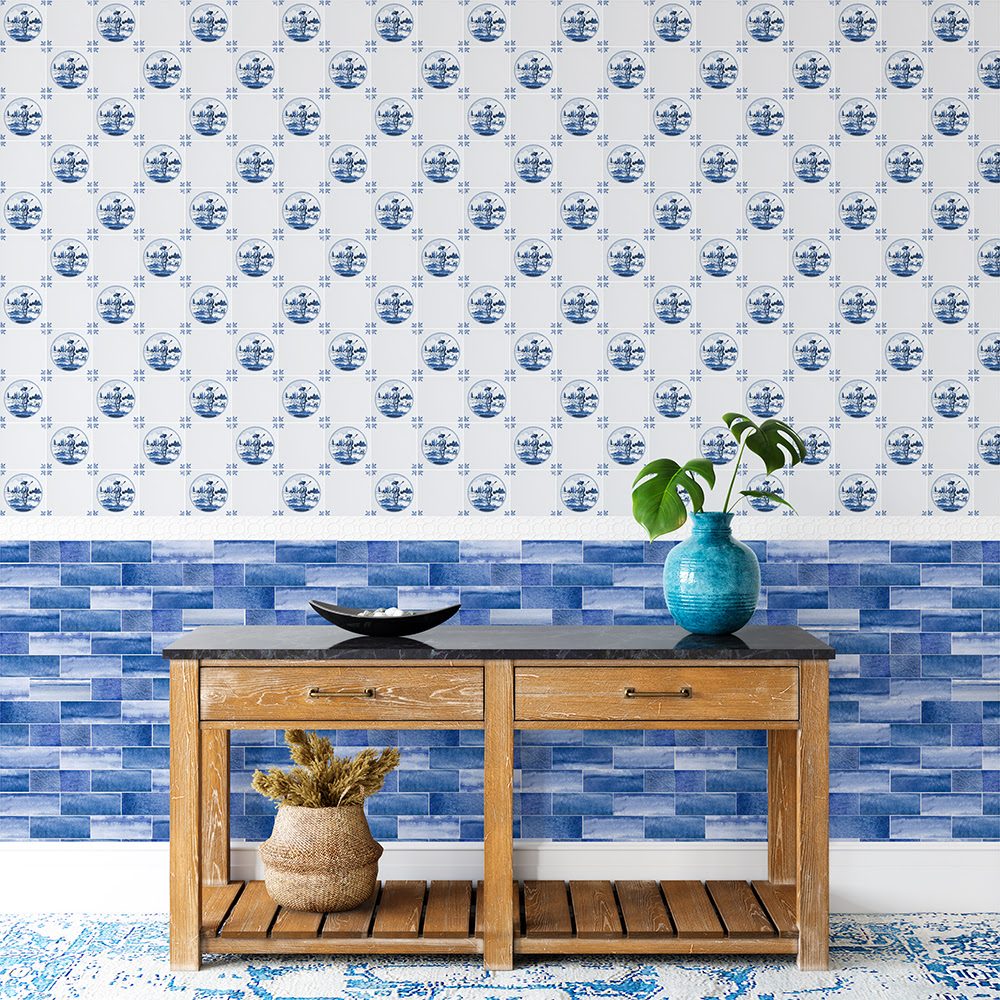
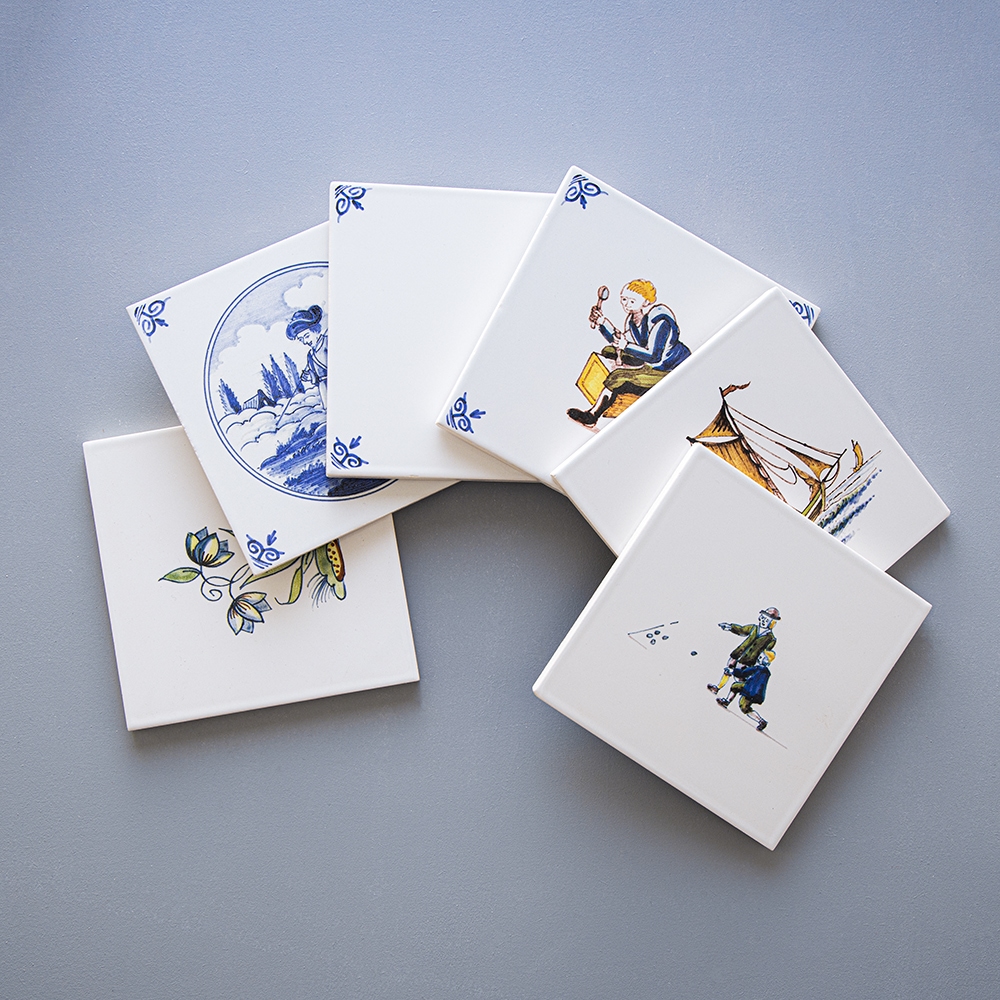
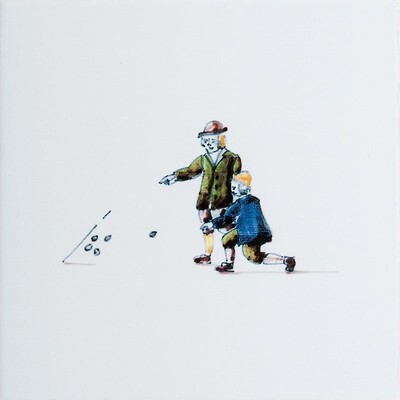
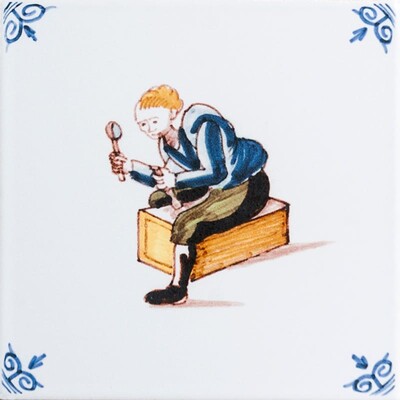
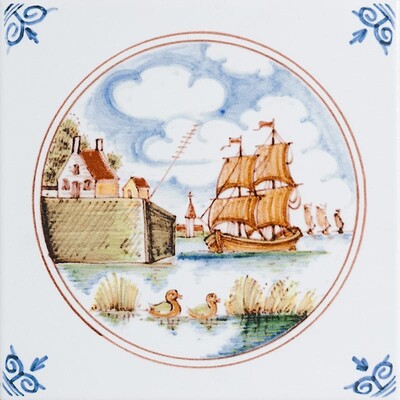
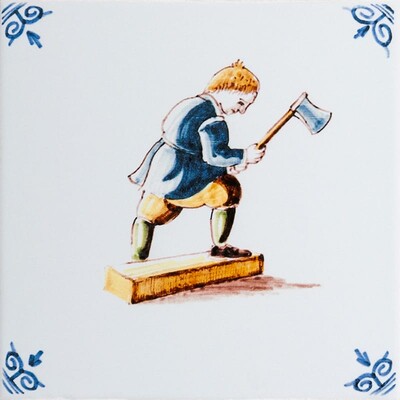
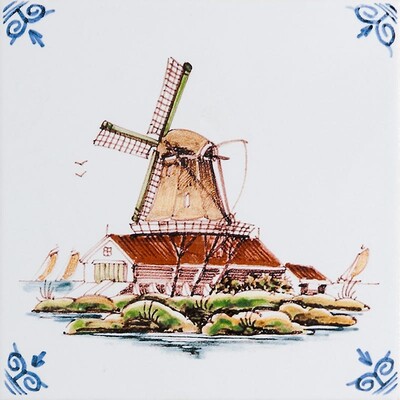
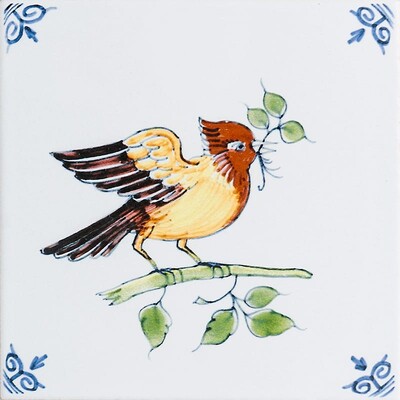
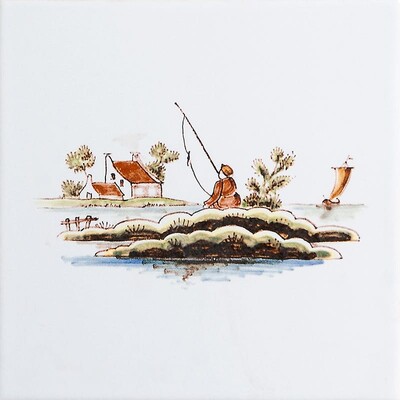
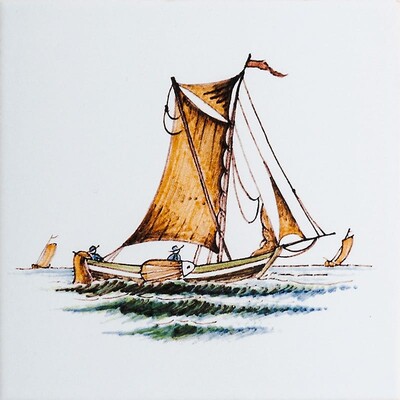
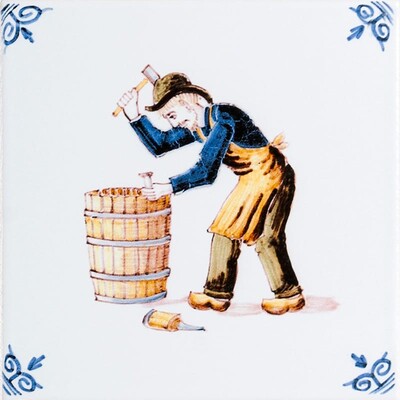
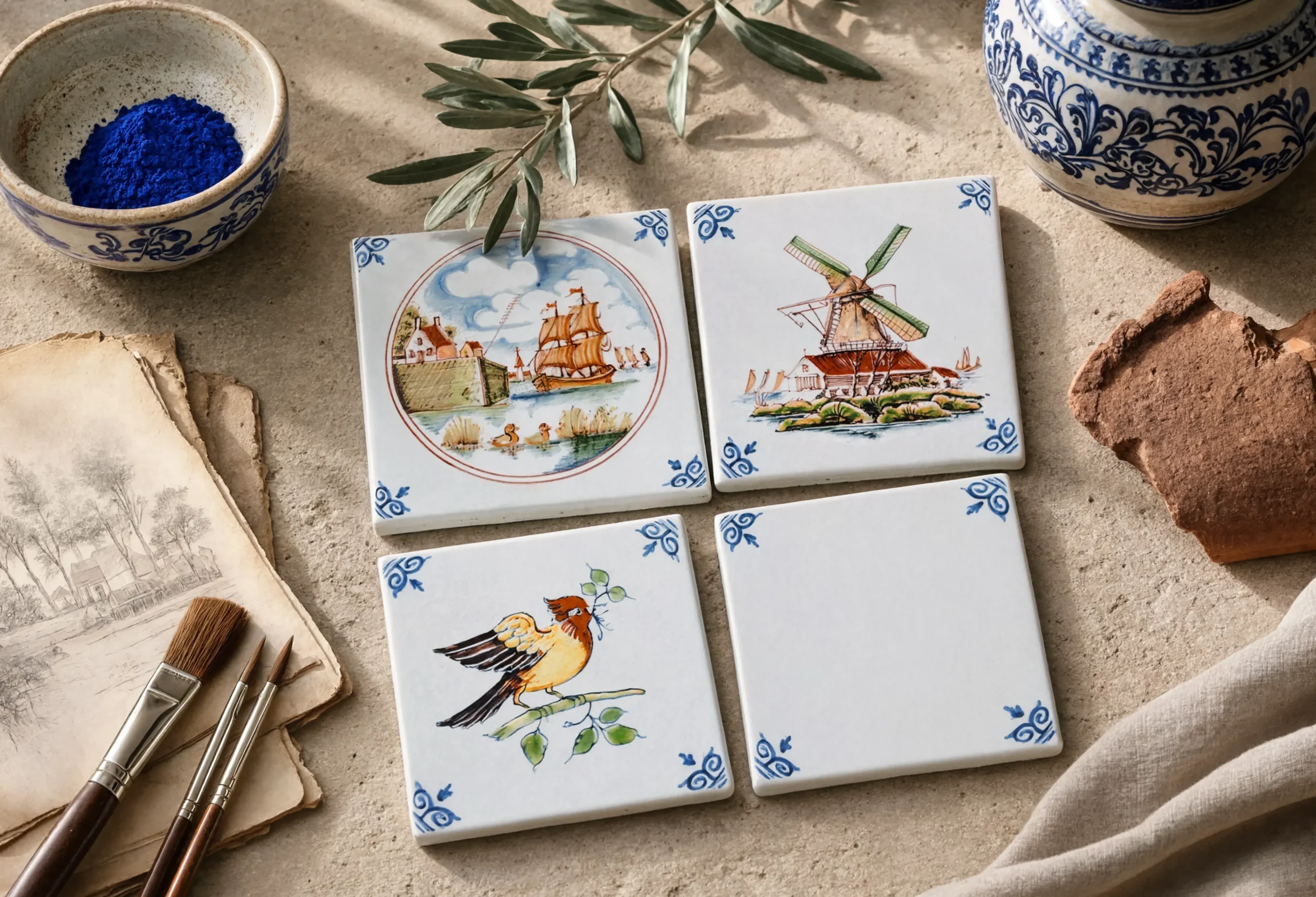
Rooted in the rich culture of the Netherlands, Delft tiles are defined by their incredible artistry and craftsmanship. The traditional style of these tiles dates back to the 16th century, when Dutch artisans created a distinct blue and white tile inspired by the popularity of Chinese porcelain tiles. These tiles typically depict scenes of the daily life of the time, such as windmills, flowers, and everyday people.
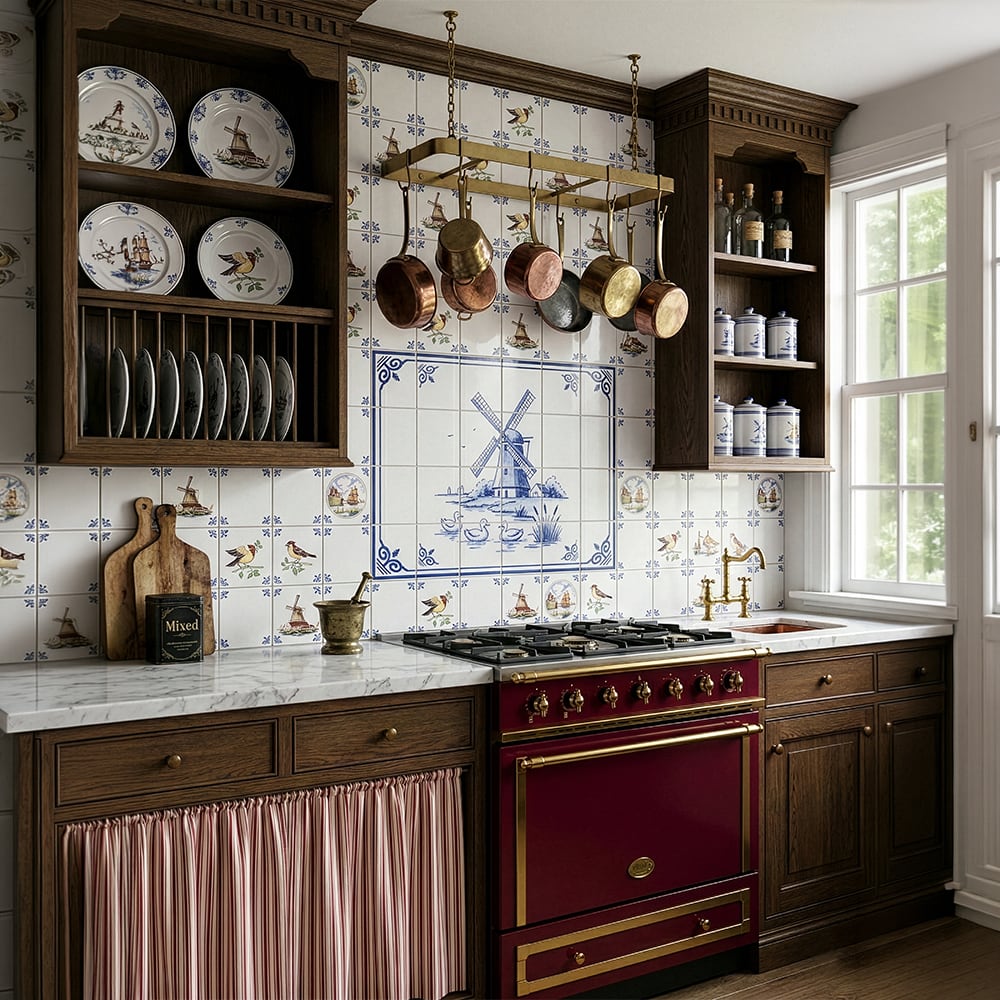
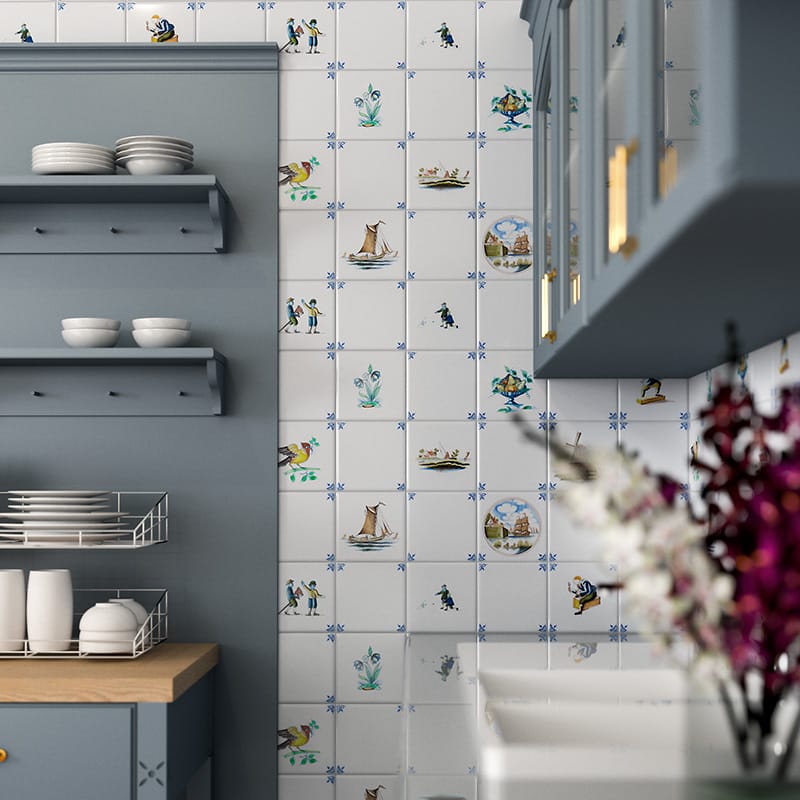
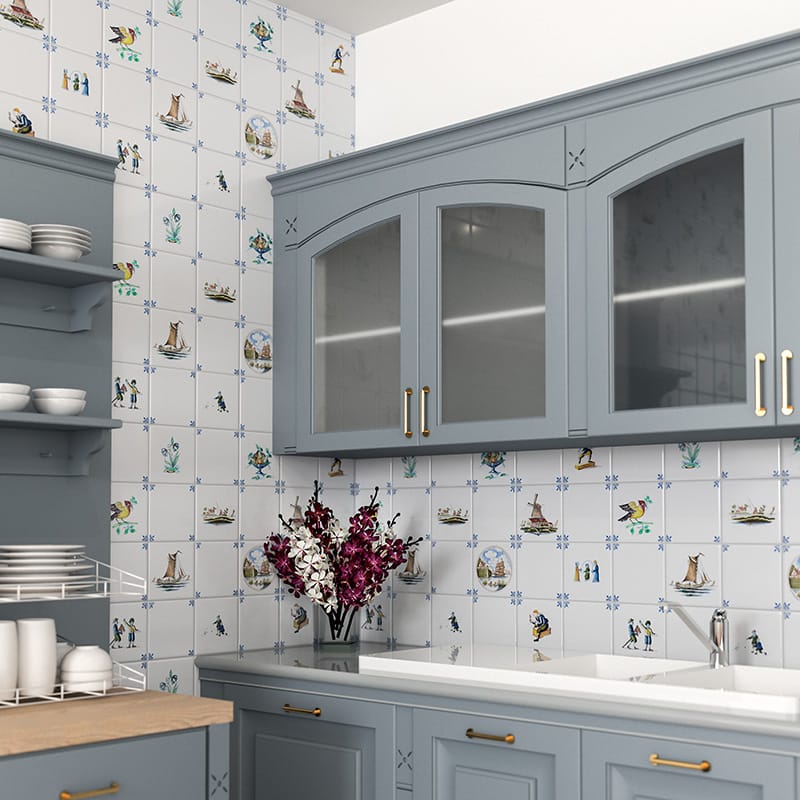
Today, Country Floors continues the tradition of these artisanal tiles with our Delft Ceramic Tile collection. Perfect for kitchen backsplashes, these handcrafted tiles are the ideal choice for modern farmhouse designs or any home that embraces artisanal style. Their vibrant blue and white designs can add a vintage charm to any space, whether traditional or modern.



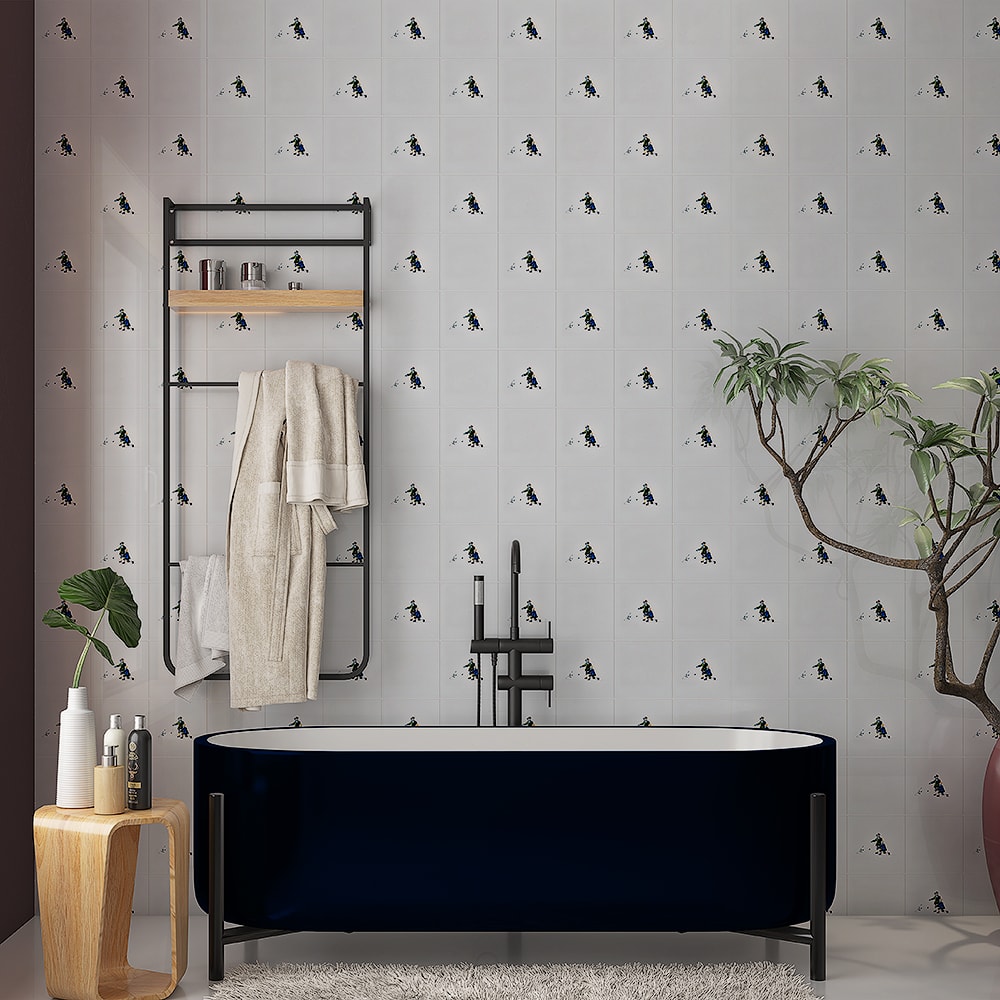
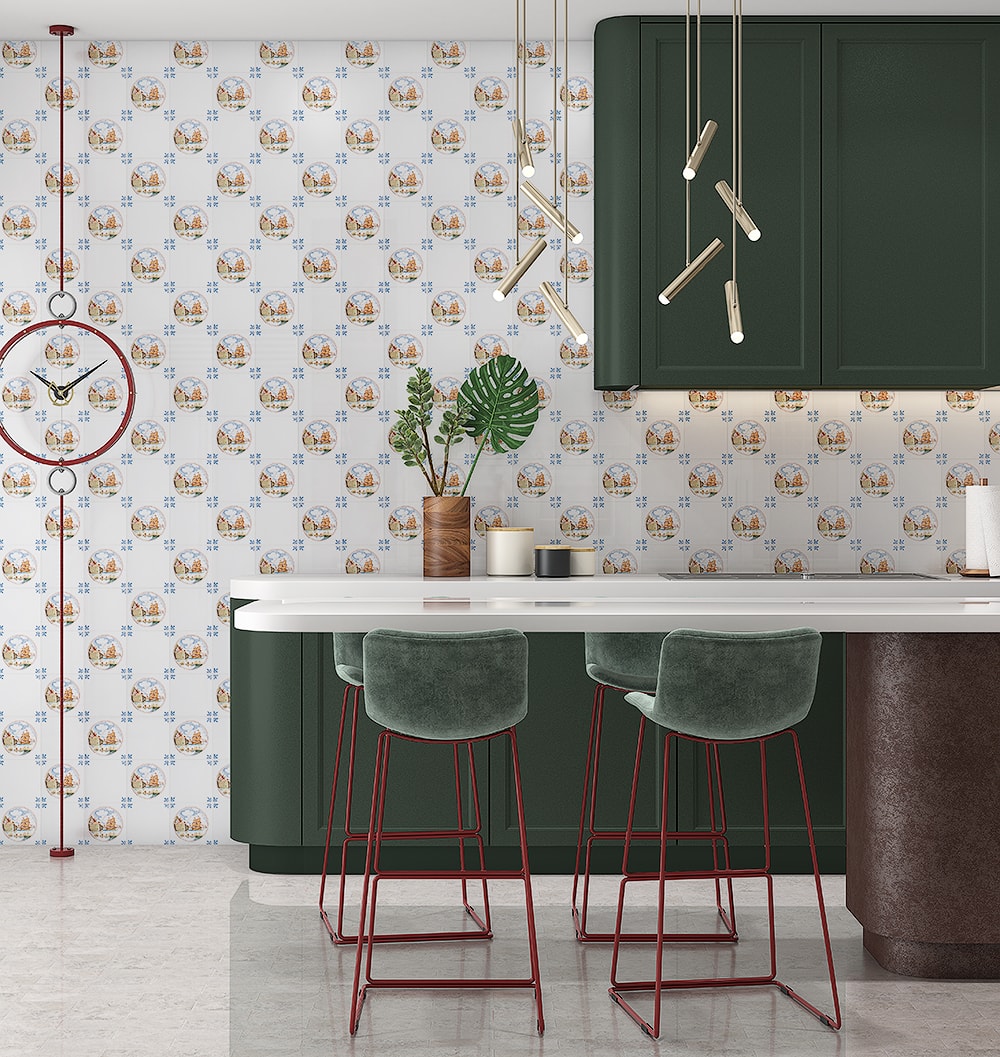
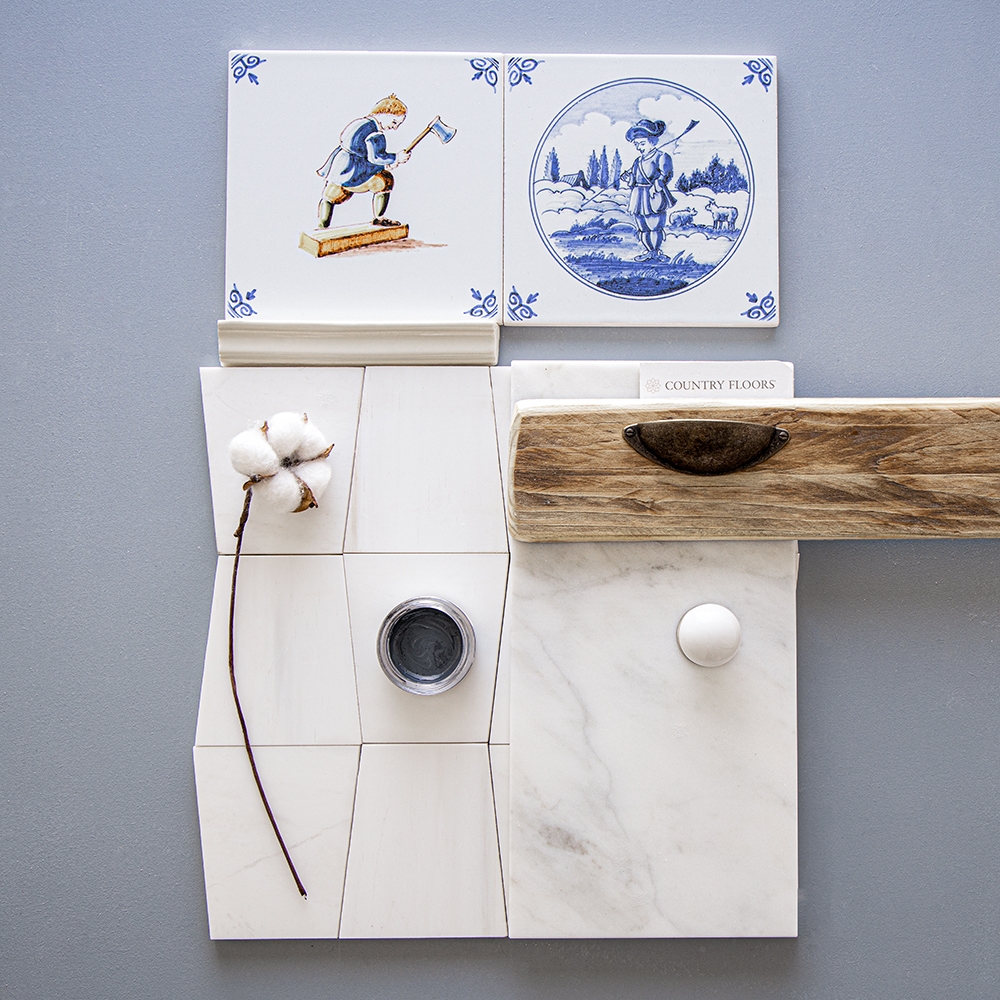
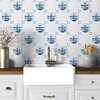
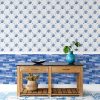
Find your perfect surface
Browse 10 pieces, compare shapes and details, then order a sample to experience the material at home.
Where you can use it
Compare residential and commercial applications for ceramic surfaces.
Interior
10 applicationsExterior
2 applicationsInterior
9 applicationsExterior
2 applicationsThis guide is a general reference. Always review the individual product specifications before installation.
The History of Delft
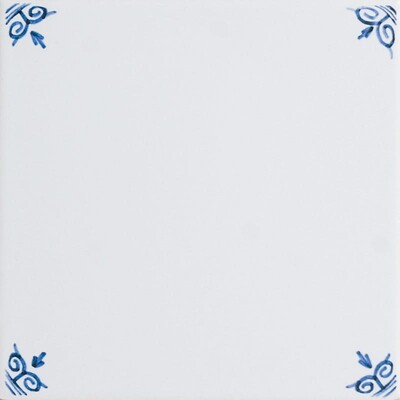
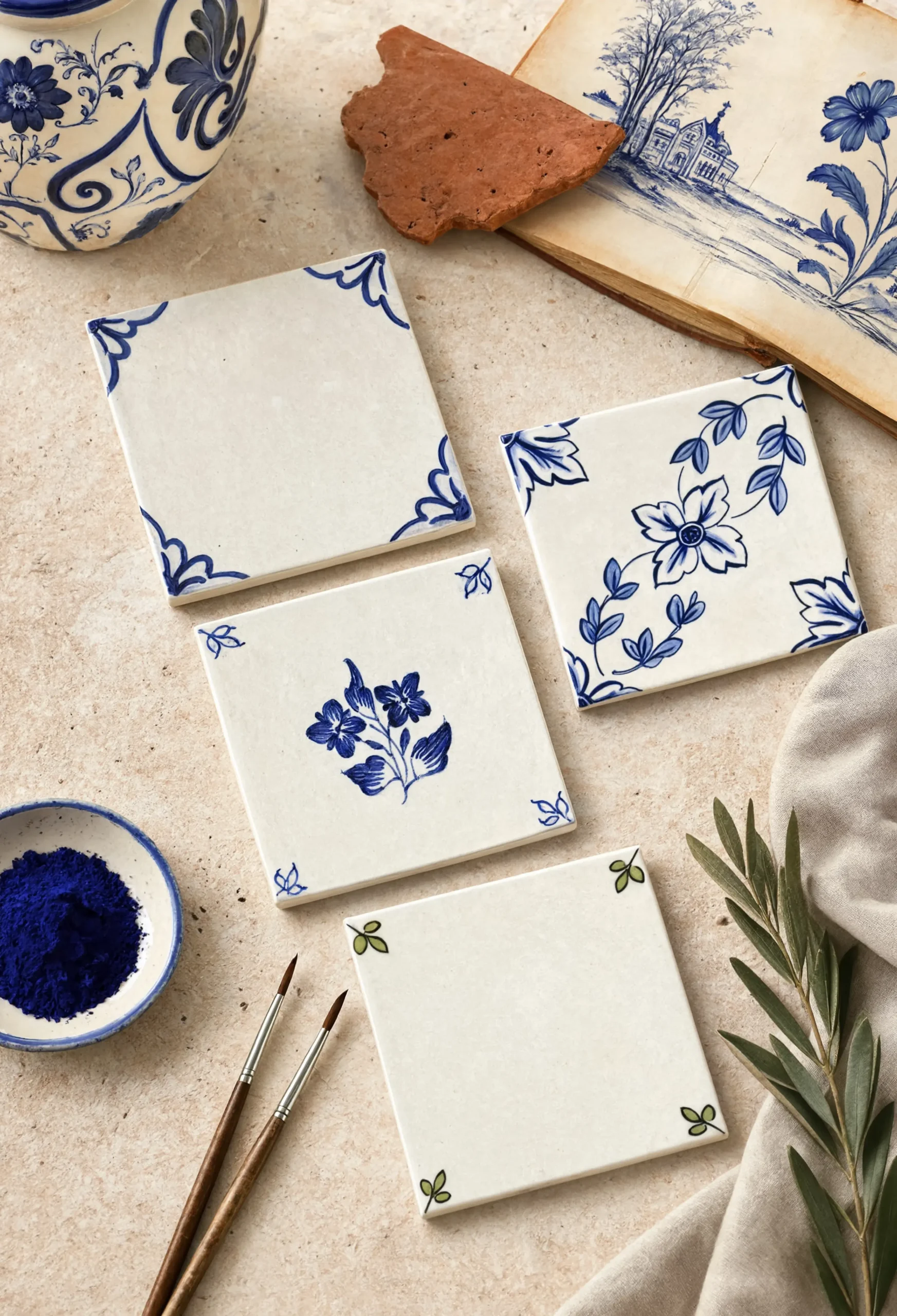
In the 17th century, Dutch potters in the city of Delft set out to answer the imported blue-and-white porcelain arriving from China. Working in tin-glazed earthenware, they painted cobalt motifs onto a bright white ground (florals, figures, landscapes, and the small corner ornaments that let tiles join into endless repeating fields across a wall.)
What began as imitation became a tradition of its own, and the hand-painted blue-and-white of Delft spread outward, echoing through Portuguese azulejos, Italian maiolica, and the tiled kitchens and courtyards of the Mediterranean.
Our Delft collection draws on that whole lineage: the brushwork, the corner-motif system, and the idea that a tile can be a small, painted thing made by a person, not a machine.
Why We Love Delft Tile
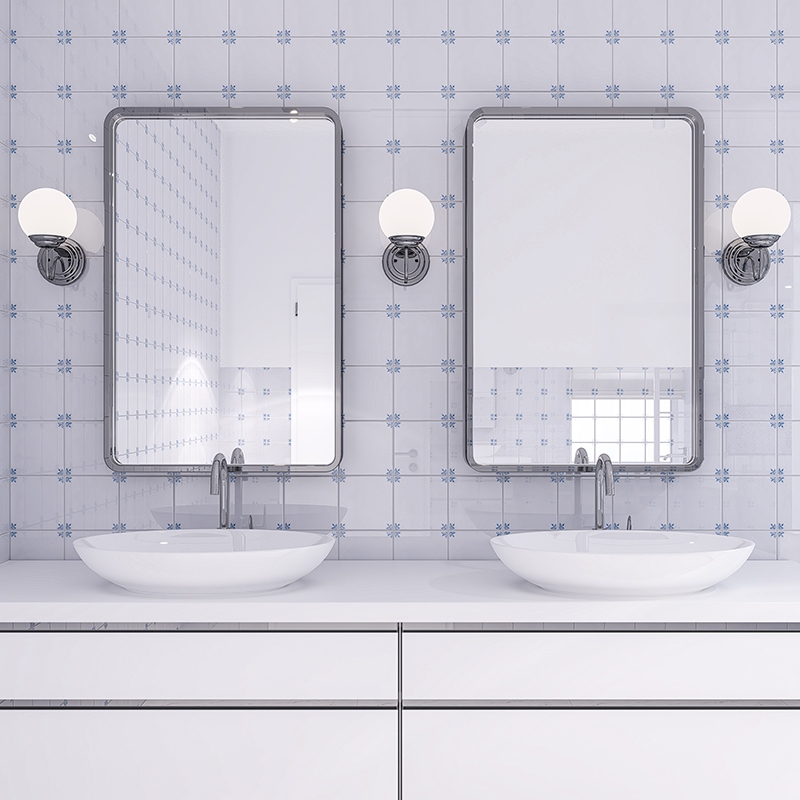
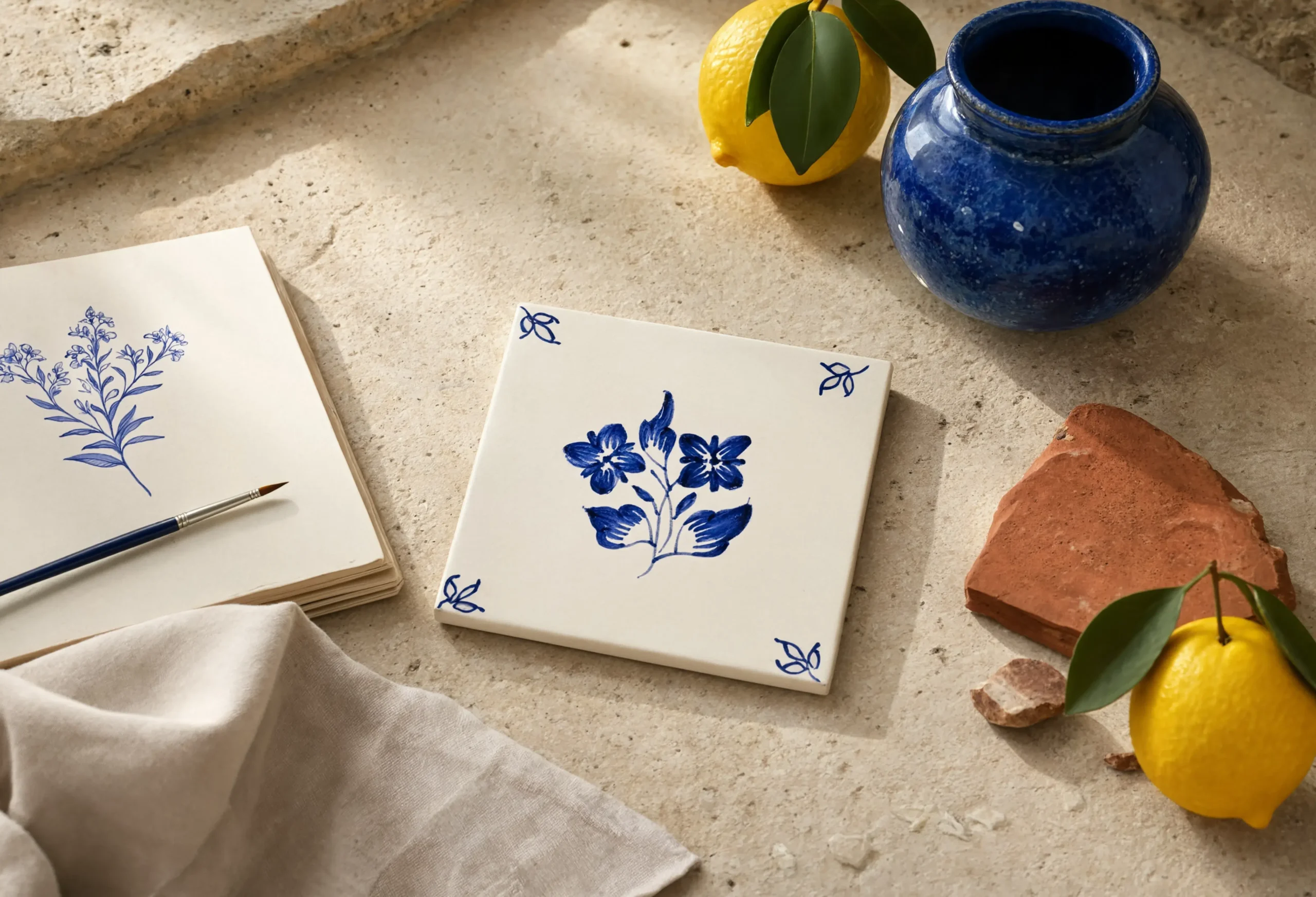
We keep returning to Delft because it does so much with so little. A single corner motif, repeated, turns a plain wall into a quiet diamond lattice; the same tile used sparingly becomes a discovered detail.
The palette is restrained enough to live with for years yet expressive enough to carry a room, cobalt for the classic note, soft green for something gentler and more unexpected.
Because the motifs sit in the corners, the tiles are built to connect: every piece is part of a system you control. It is decorative without shouting, historic without feeling heavy, and endlessly composable which is exactly why designers reach for it again and again.

Complete the Room: Terracotta Below, Delft Above
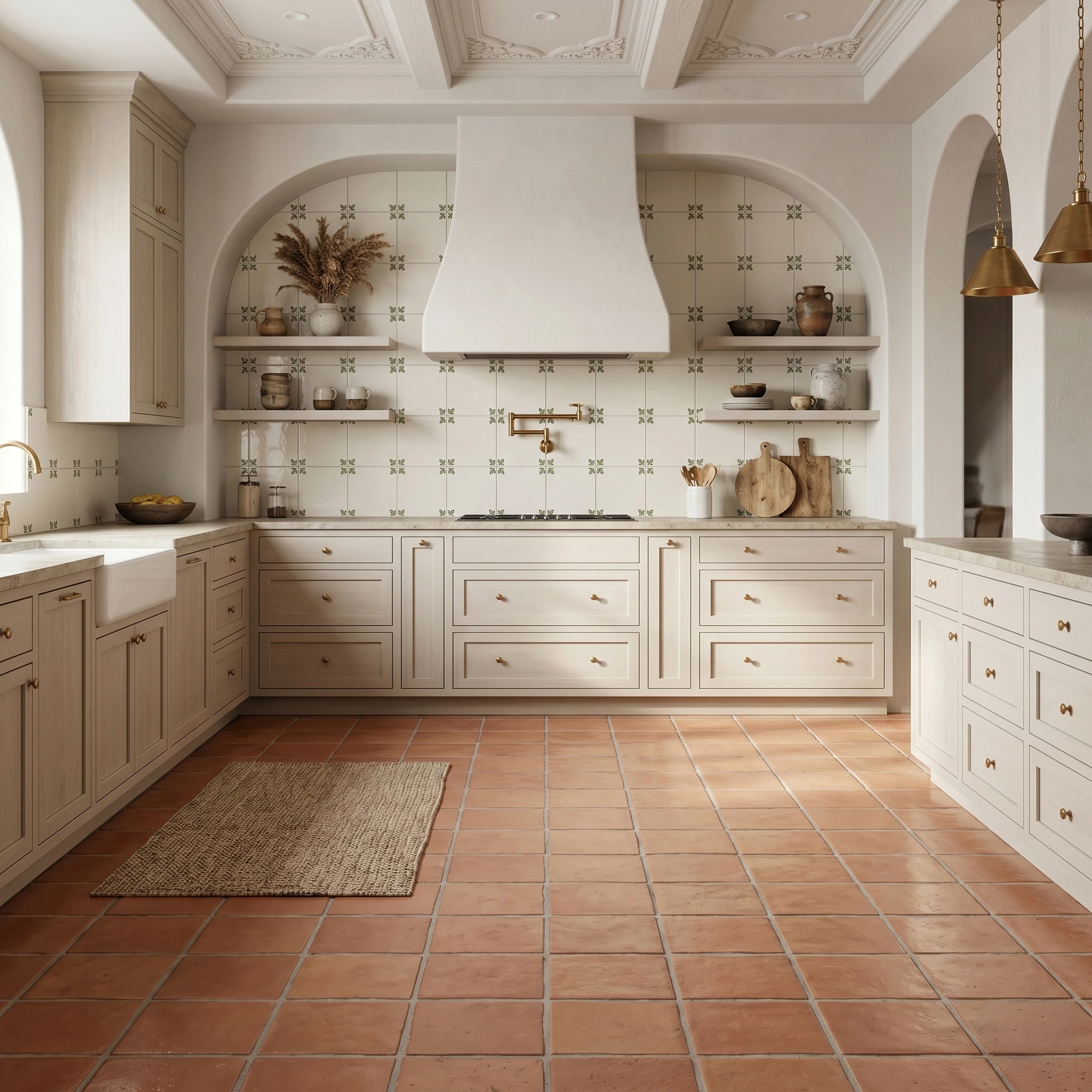
There's a reason this pairing keeps appearing in the most quietly beautiful Mediterranean rooms. Warm terracotta underfoot, hand-painted Delft climbing the wall above (earth and brushwork, floor and field, the two oldest gestures in southern European interiors.)
The terracotta tile brings heat and grounding; the Delft brings light and detail. Together they make a room feel as though it was assembled slowly, over years, by someone with an eye.
Start there, then let the rest of the room gather around it.