
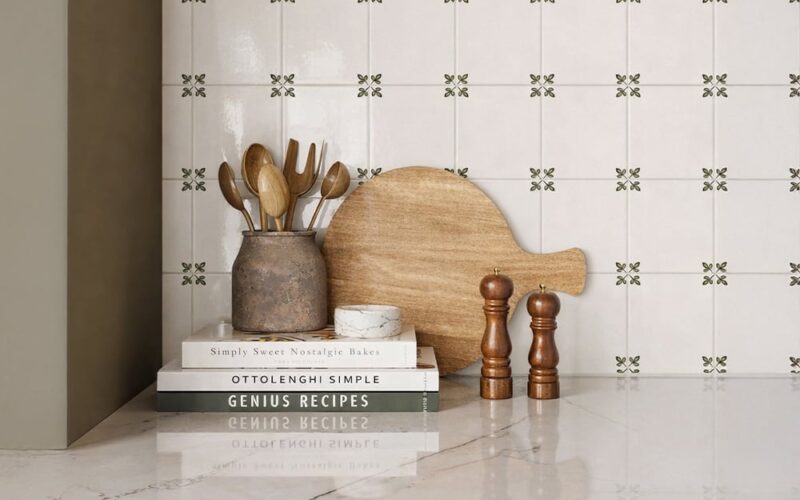
Earth, water, and fire. Every beautiful artisan tile begins with these three elemental forces that come from nature into our lives. Because they share this exact birth process, some of our customers may assume they are completely interchangeable. That is a design mistake we always try to fix, but it’s totally normal if you don’t know all the details. If you want to honor your home’s architectural heritage, understanding the exact terracotta vs ceramic rules is a must, and we’re happy to help you on that.
What Are They Made With? Terracotta vs Ceramic Clay
To master your home’s heritage based architecture, we first need to look at the difference between terracotta and ceramic clay. Both are beautifully baked clay tiles, but their journeys diverge the moment they enter the kiln. Terracotta is baked at a much lower temperature. This leaves the clay completely in touch with its raw, earthy roots. Just like you’re stepping on soil, but in a different way.
Ceramic tiles, on the other hand, is fired at significantly higher temperatures, creating a much denser body like a rock. When comparing the porosity of terracotta vs ceramic, raw terracotta breathes and absorbs moisture much more than the denser ceramic body. This fundamental material difference can change your mind about the entire terracotta vs ceramic rulebook for your home’s layout. Knowing the science behind the process is important.
Be Careful Before Taking A Step: Terracotta vs Ceramic Floor Tiles
When clients ask me about the differences between terracotta vs ceramic floor tiles, there is a clear, undeniable winner. For the foundation of your home, you absolutely need terracotta floor tiles. They are a total star piece for a Mediterranean interior design or a cozy, lived in cottagecore interior design. The warm, earthy tile colors provide an inviting, organic texture that ages flawlessly alongside traditional natural stone tiles. And, think about it. Probably most of the interior design saved files are full of terracotta flooring, right?
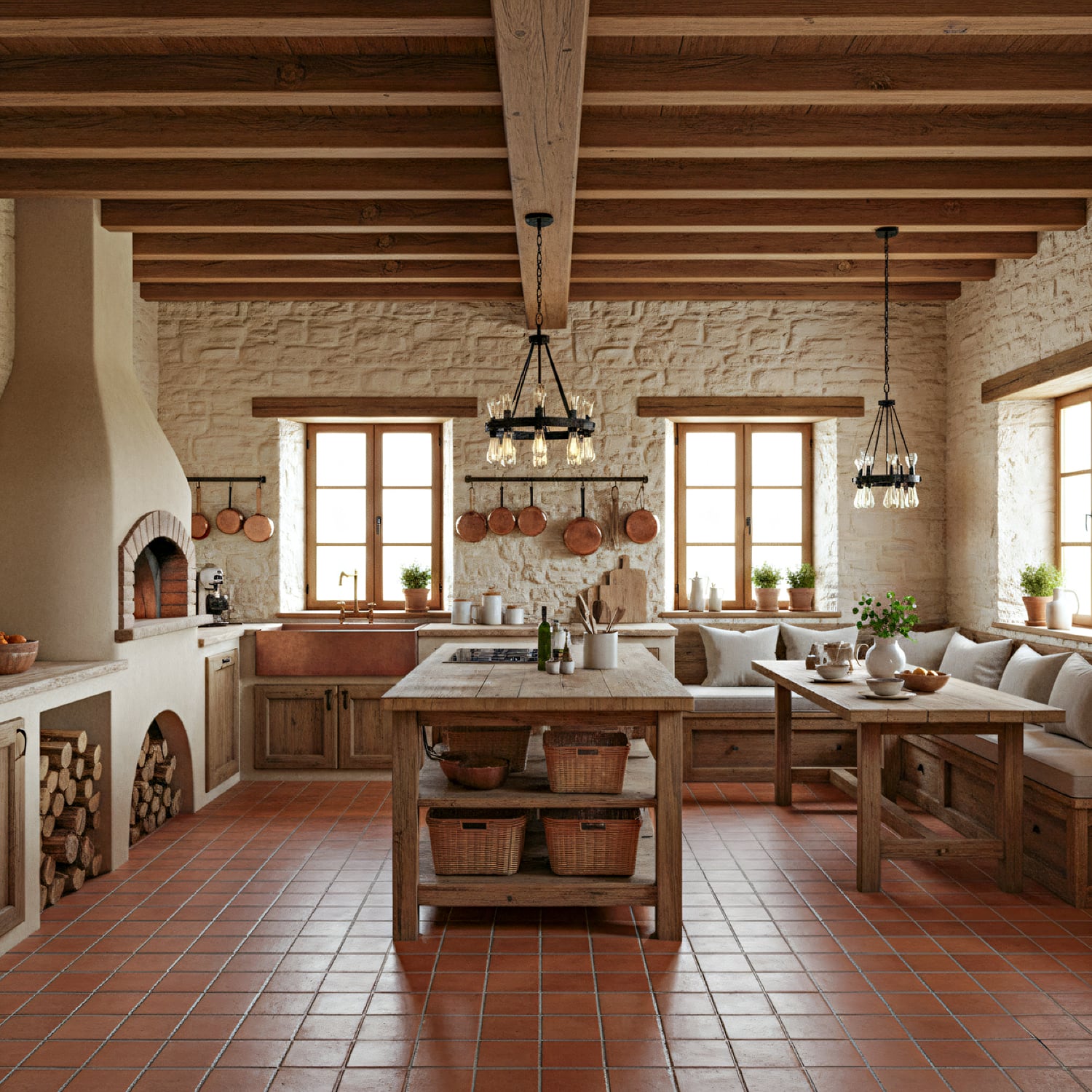
So, where do ceramic floor tiles fit into this equation? Honestly, as heritage tile purists, we are mostly against them for walking surfaces. In the terracotta vs ceramic flooring conversation, ceramic is simply too brittle for heavy, daily foot traffic. Ceramic can easily crack or chip when someone drops something heavy in the kitchen or drags a heavy dining chair. Want another POV? The glazed surface becomes incredibly slippery, creating a serious safety hazard. That’s why you should always choose cotto tiles in that dilemma. Those beautiful rustic tiles bring the durability and barefoot warmth you actually crave.
Wall and Backsplash Application: Ceramic vs Terracotta
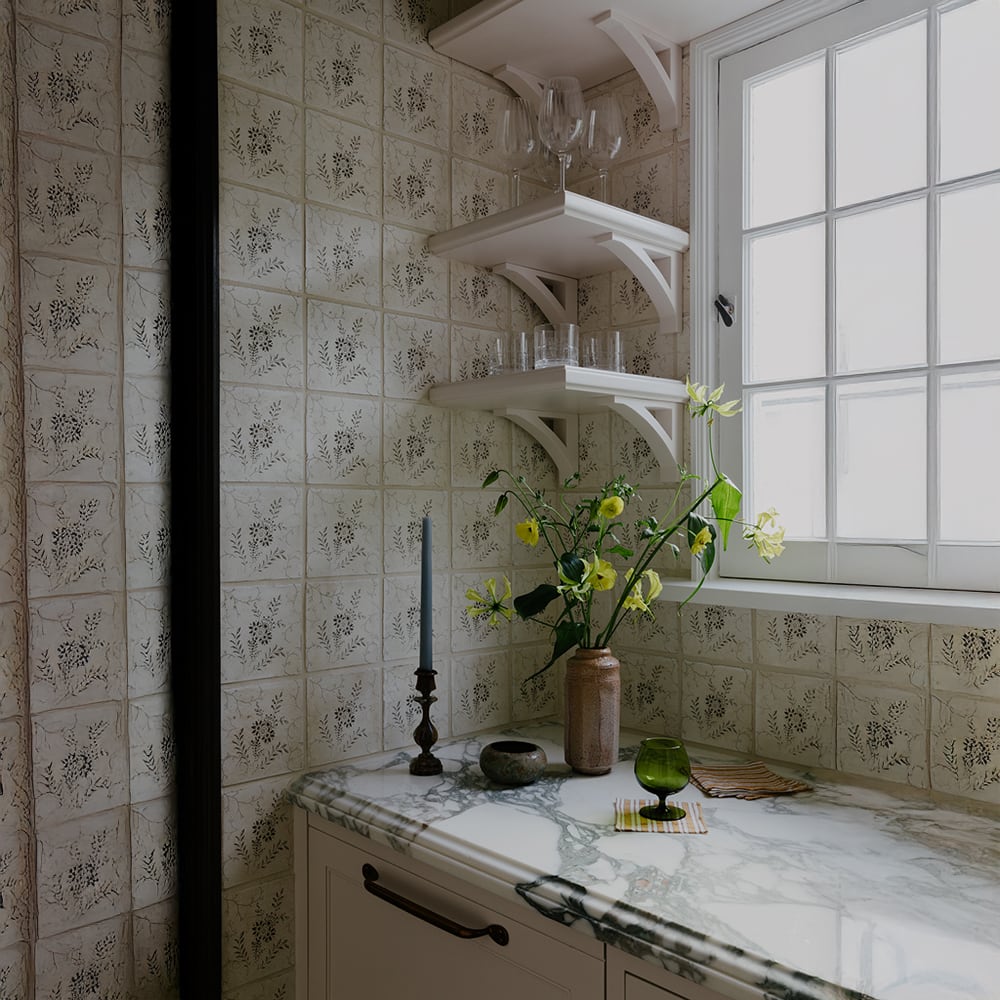
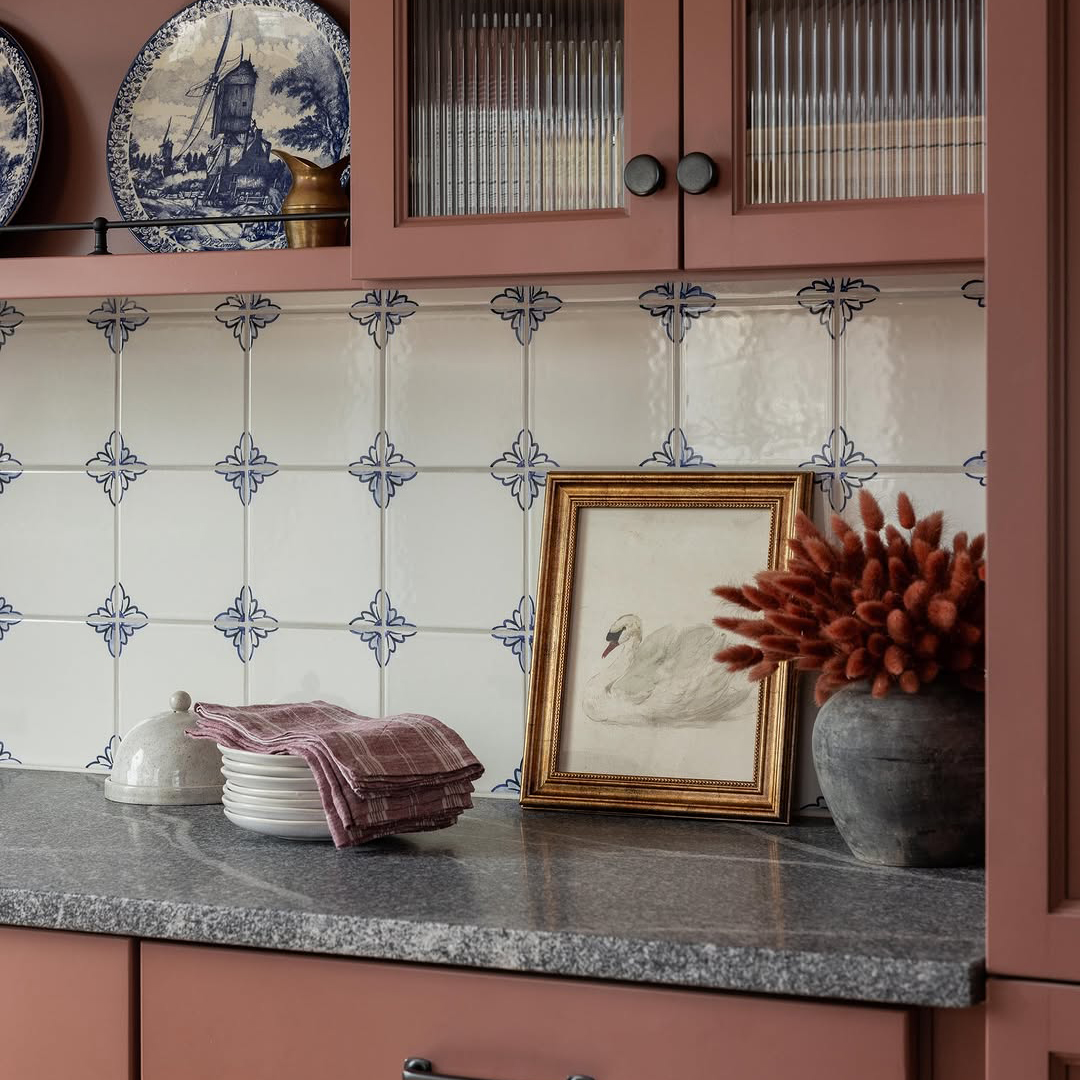
If ceramic doesn’t belong on the floor, where will we use it? To be honest, the answer is pretty clear and easy. In the ceramic vs terracotta comparison for walls, ceramic wall tiles are the absolute jewels of interior design. Whether you want a vibrant, reflective ceramic backsplash to pop against a mid century modern design, or delicate artisan hand painted ceramic tiles to frame a heritage stove, you’ll get what you want anytime!
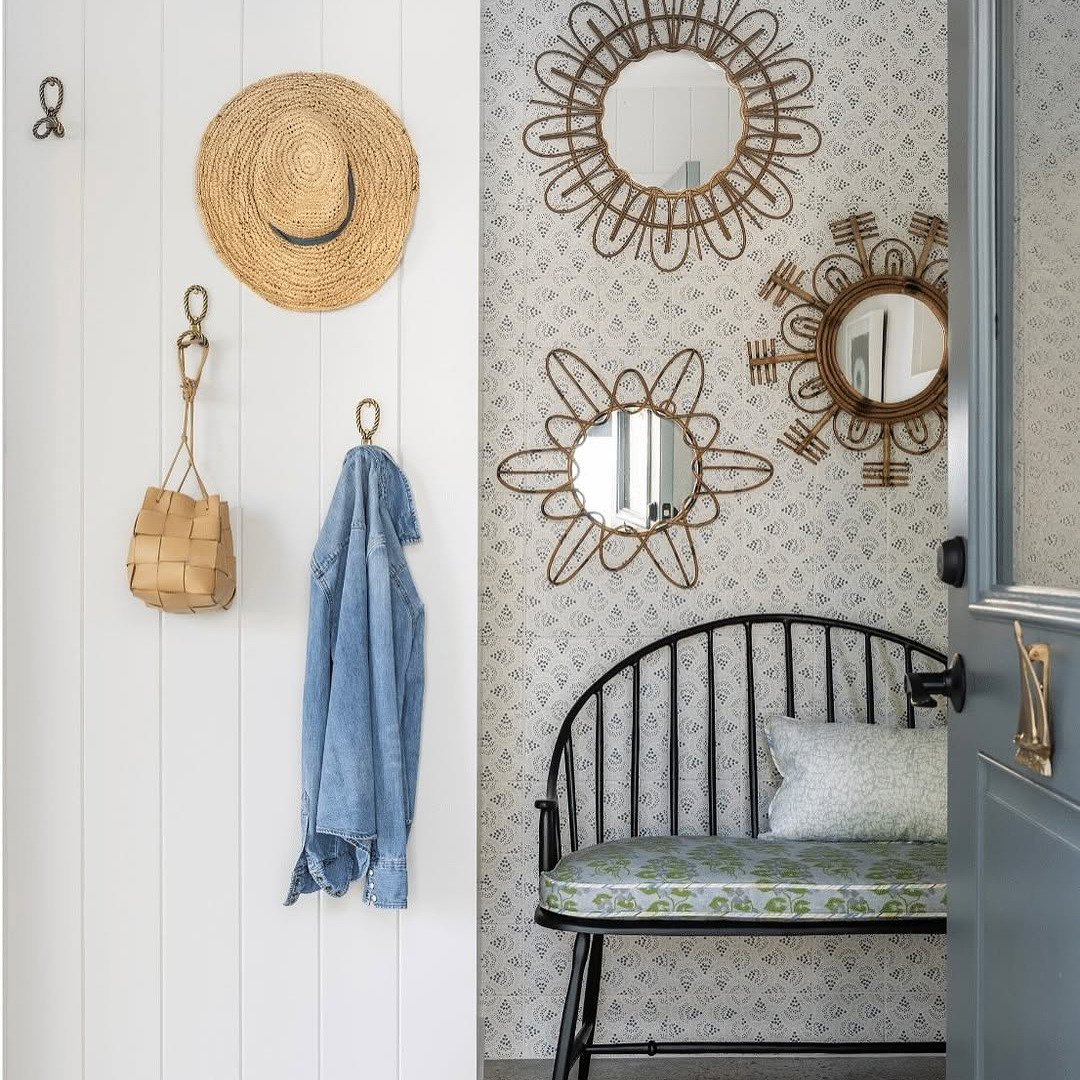
But what about terracotta wall tiles? You can absolutely use terracotta on the wall or backsplash to carry that earthy warmth level up. However, you must be extremely mindful of water exposure, which brings us to our next critical comparison.
Warning Sign For Wet Areas: Terracotta vs Ceramic in Showers
This is the area where the terracotta vs ceramic rules matter most for your home’s health. I’ve been asked a lot, like, really a lot: Can you use terracotta tiles in a shower? Because of its high natural porosity, raw terracotta and heavy, constant water exposure do not mix well.
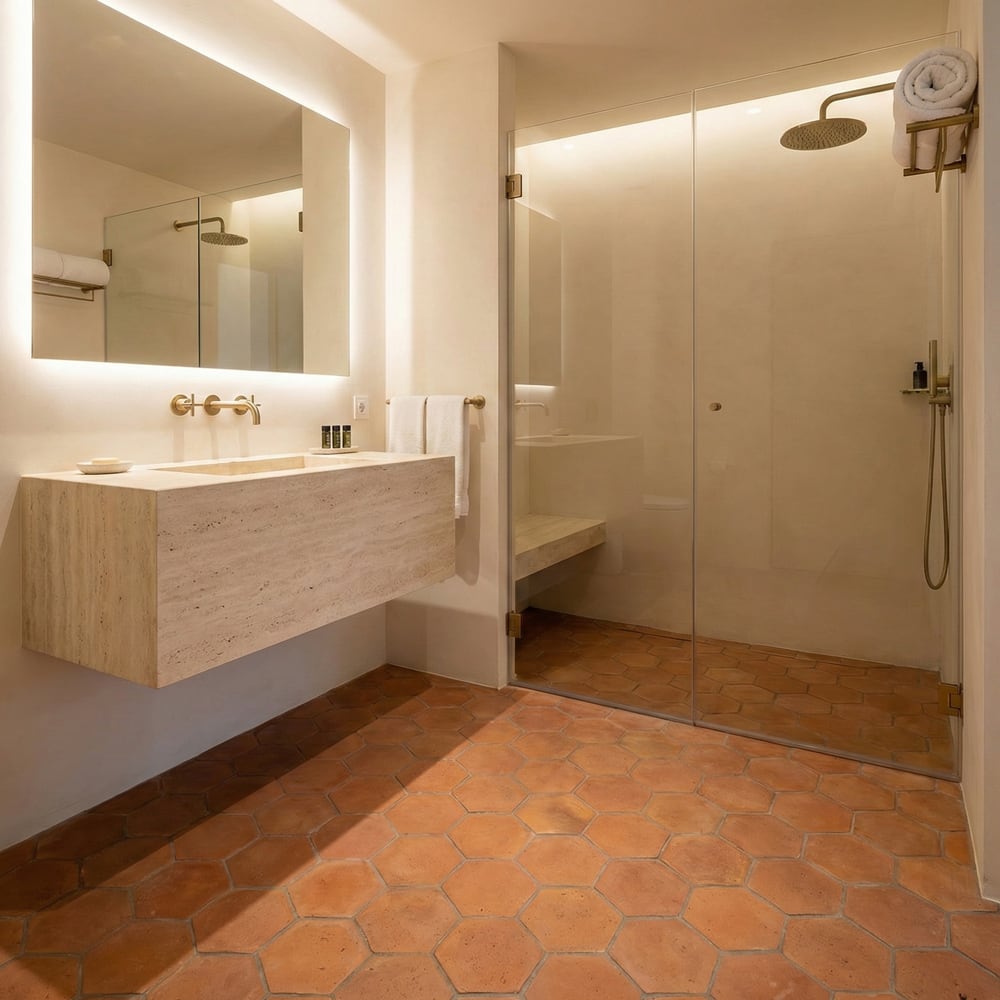
However, if you are dreaming of a protective, water resistant surface that still maintains that beautiful earthy charm, you should look into a glazed terracotta tile. The glaze on the tile seals the porous clay, making it a stunning choice for a wet backsplash or a shower wall tile. But remember the ultimate safety rule of the terracotta vs ceramic debate: just like ceramics, a glazed terracotta tile becomes dangerously slippery when wet. Keep your glazed terracotta strictly on the walls, and your wet rooms will remain safe. We care about you!
Choose Your Artisan Tile Material: Terracotta vs Ceramic
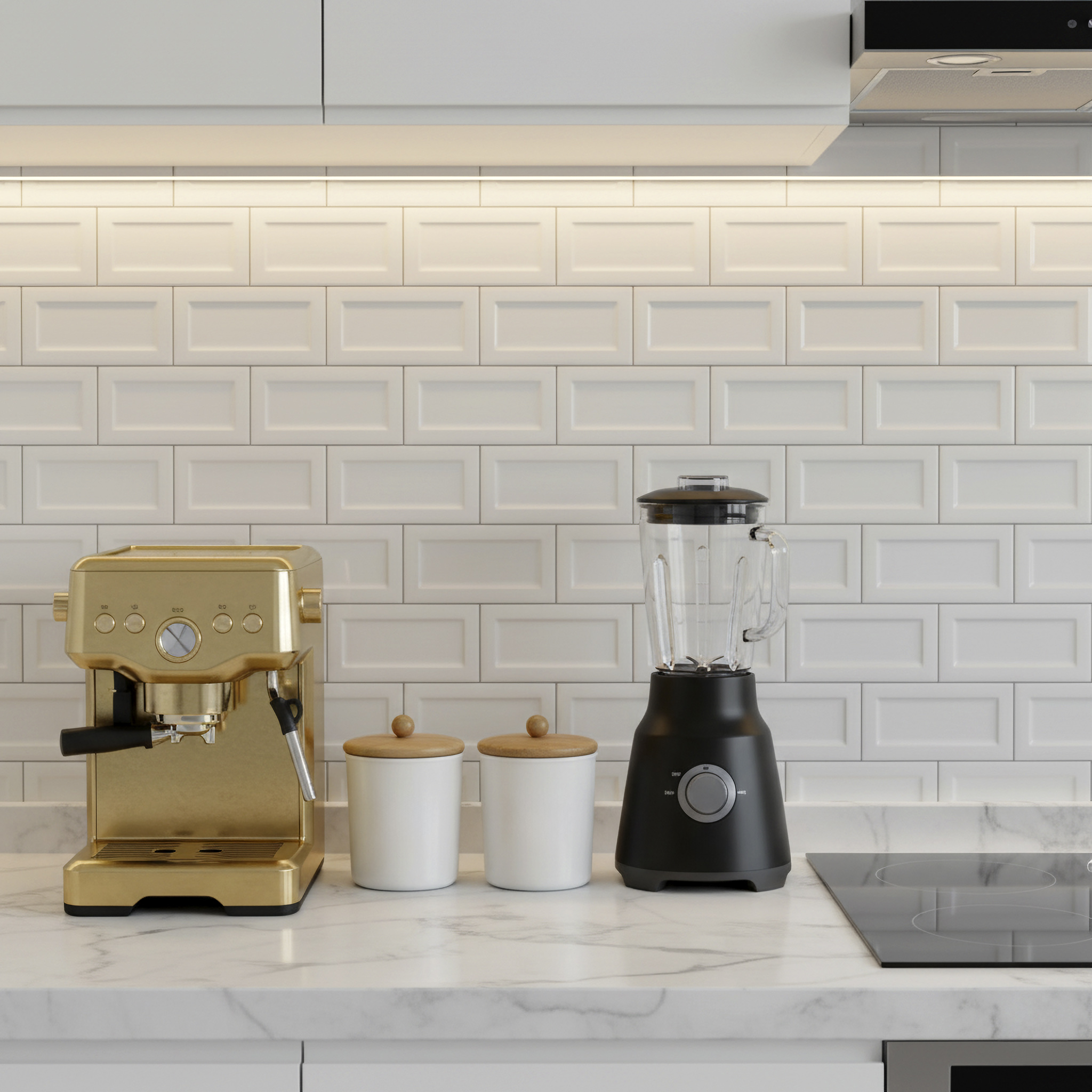
You know what? The terracotta vs ceramic choice is never really about which clay is inherently “better”. It is entirely about proper placement, about your needs and daily life. The terracotta vs ceramic balance is simple: use porous, unglazed terracotta to ground your floors. Let glossy ceramics and glazed terracotta serve as the protective art on your walls. I’d say the terracotta vs ceramic debate is officially over here.
| Feature | Terracotta Tile | Ceramic Tile |
|---|---|---|
| Firing Process | Lower temperatures; retains raw, earthy roots. | Higher temperatures; creates a denser, rock-like body. |
| Best Application | Floors, walls, and dry architectural accents. | Walls, decorative backsplashes, and focal points. |
| Floor Durability | Excellent. Absorbs heavy daily foot traffic beautifully. | Poor. Brittle and prone to chipping or cracking under pressure. |
| Slip Resistance | High (when unglazed). Provides safe, natural barefoot grip. | Low. Glazed surfaces become dangerous slip hazards on floors. |
| Wet Area Usage | Requires a glazed finish for showers (wall use only). | Excellent for shower walls and wet backsplashes. |
Visit Us & Explore All Artisan Tile Collections
We’re excited to see you at our artisan tile showroom . Visit us and touch and feel the difference between these incredible artisan materials. Browse the stunning heritage tile collections at Country Floors today!