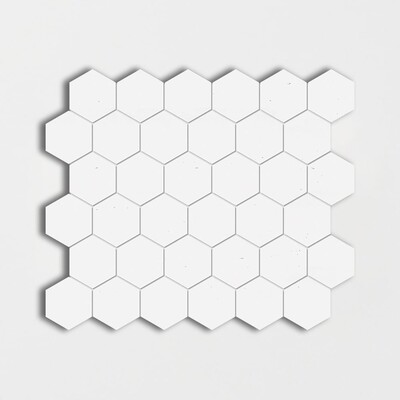
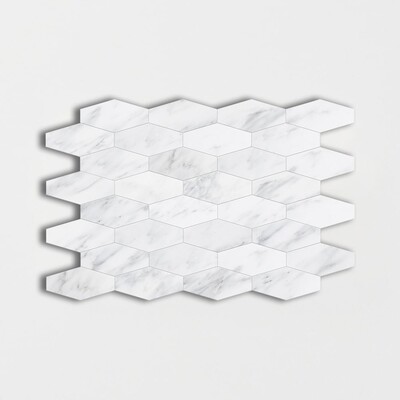
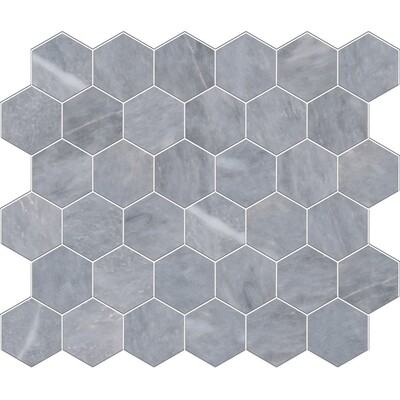
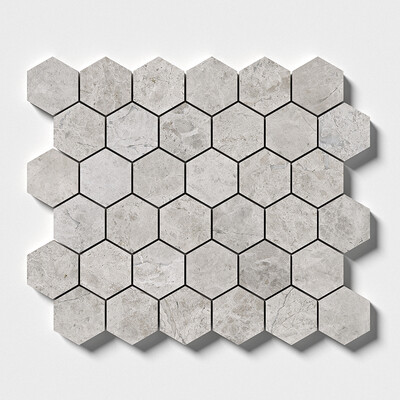
1–20 of 155 results
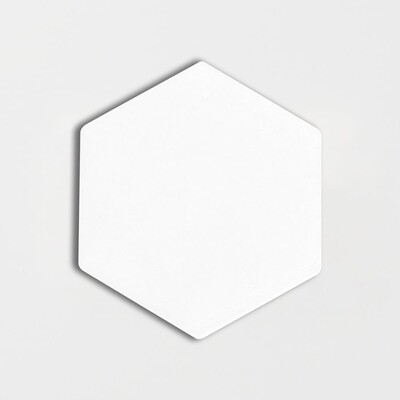
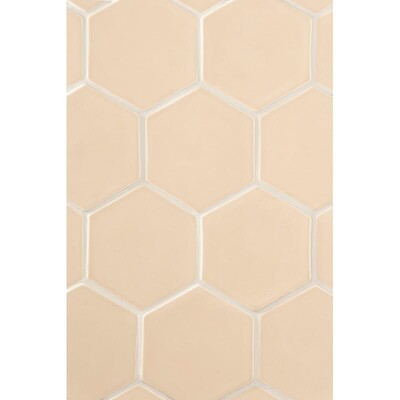
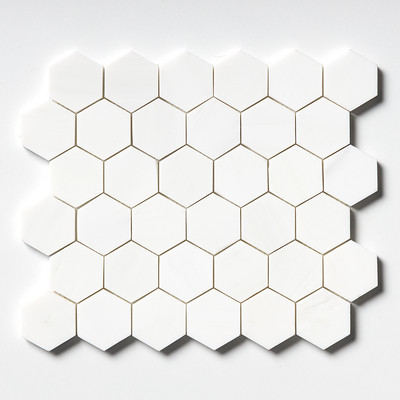
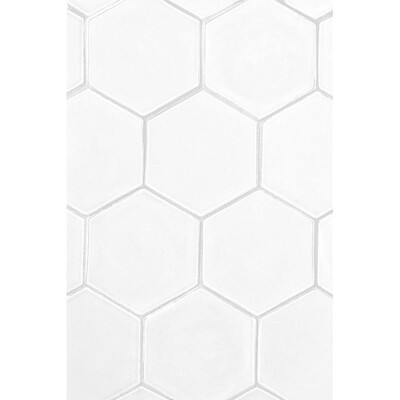
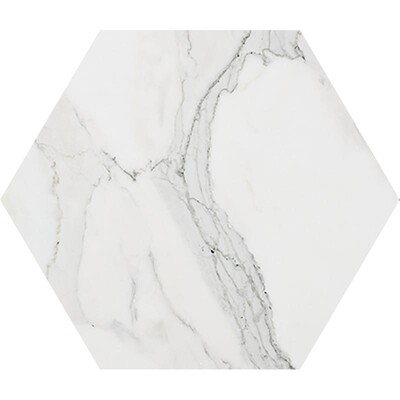
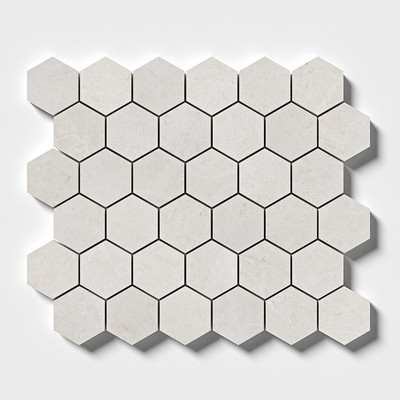
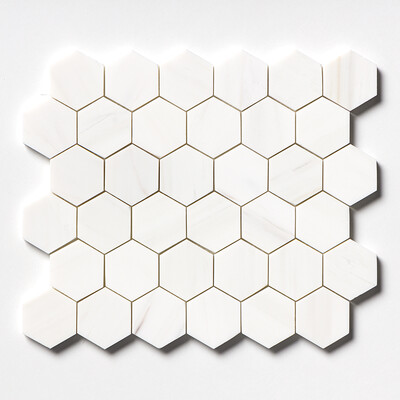
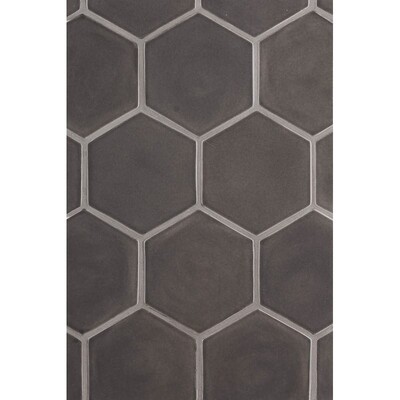
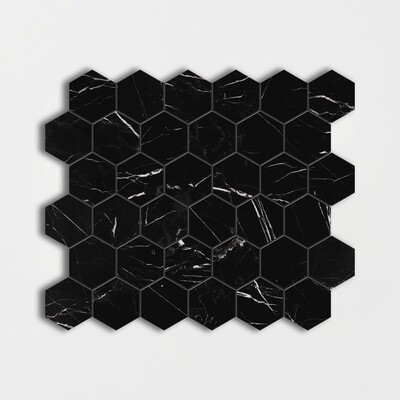
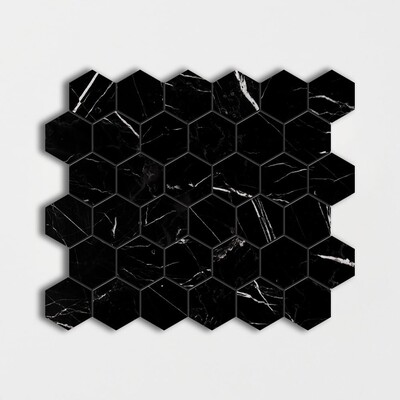
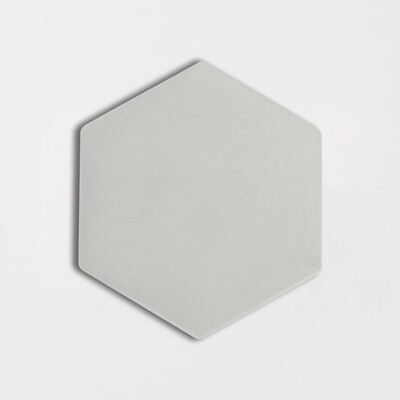
Hexagon tile is a type of tile with a six-sided shape that is reminiscent of a honeycomb pattern. These tiles are popular in various interior design styles due to their unique geometric tile look and versatility. They come in various materials, including ceramic, porcelain, and natural stone, and can be used for floors, walls, and backsplashes.
While hexagon tiles have seen a surge in popularity recently, their timeless geometric design ensures they remain a classic choice in home decor. Their versatile nature allows them to blend seamlessly with both contemporary and traditional styles, ensuring they won't go out of style anytime soon.
Hexagon tiles are not inherently harder to clean than other tile shapes. The cleaning process depends more on the material of the tile and the grout used. Regular maintenance with appropriate cleaning products will keep hexagon tiles looking pristine. Smaller tiles might have more grout lines, which may require additional attention.
Hexagon tiles can be more challenging to install than square or rectangular tiles due to their shape. Proper alignment and spacing are crucial to achieving a seamless look. It is often recommended to hire a professional for installation to ensure the best results and to avoid common pitfalls.
Hexagonal tiling offers a unique aesthetic that sets it apart from traditional square tiling. The six-sided shape can create intricate and visually appealing patterns that add depth and interest to a space. Additionally, hexagon tiles can make spaces appear more dynamic and can be used to create both modern and vintage looks.
Hexagon tiles can make a room appear larger due to their continuous pattern and the visual flow they create. The seamless design of hexagon tiles can trick the eye into perceiving a more expansive space, especially when used in light colors such as white or beige tile designs, or with minimal grout lines.
Hexagon backsplashes are not out of style. Their geometric pattern adds a modern touch to kitchen tiles and bathrooms. The versatility in color, size, and material means they can be adapted to various design trends, ensuring they remain a popular choice for backsplashes.
Hexagon tiles can be used in various settings, including kitchens, bathrooms, entryways, and even outdoor spaces. They are perfect for floors, walls, backsplashes, and shower enclosures. Their unique shape allows for creative designs and can highlight specific areas within a room.
Cutting hexagon tiles requires precision and the right tools. A wet saw with a diamond blade is commonly used for this purpose. Mark the tile where you need to cut, and carefully guide it through the saw, ensuring you maintain the hexagonal shape. For intricate cuts, such as around fixtures, a tile nipper may be used. If your hex tiles are made of from marble, check out our guide to "How To Cut Marble" to learn more.
The size of the grout line for hexagon tile typically ranges from 1/16 inch to 1/8 inch, depending on the desired look and the size of the tile. Smaller grout lines create a more seamless appearance, while larger grout lines can emphasize the geometric pattern. It's essential to use a grout spacer during installation to maintain consistent spacing. If you need more information about how to choose the best grout for your project, check out our blog page.
With the experience and the questions that we've got from our clients, we can absolutely tell that hexagon is not a trend. Bees discovered this geometry long before architects did, and both for the same reason: it distributes load evenly and uses material with maximum efficiency. On a floor tile, this means pressure disperses across edges rather than concentrating at corners, making hexagon tiles structurally more resilient than square or rectangular formats. What looks like an aesthetic decision is, first, an engineering one.
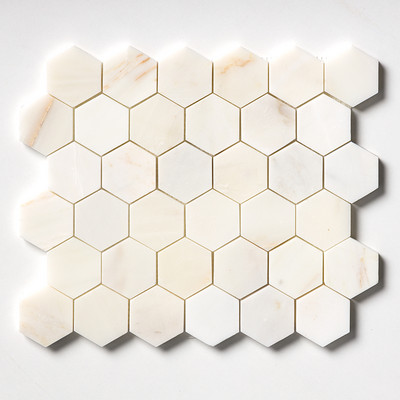
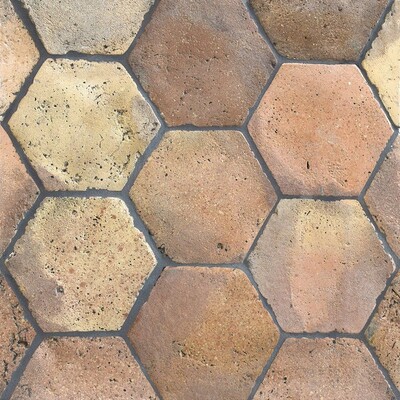
At Country Floors, we're combining both with a wide range of materials: artisan ceramic, fired terracotta, natural stone, and mosaic tiles. Each carries nature's geometry to your home to achieve one of the most harmonious looks ever.
| Feature | Ceramic Tiles | Terracotta Tiles | Marble Tiles | Mosaic Tiles |
|---|---|---|---|---|
| Surface Character | Glaze depth varies | Earthen, matte; holds fire marks | Polished, honed & textured finishes | Mounted on a sheet, small tiles |
| Typical Size | 5" & More | 6×6", Reclaimed | 10"x12" , 12"x12" & More | 1"–2" individual tiles |
| Shade Variation | Medium–High | Can Be High (Firing) | Low–Medium | Low |
| Best Application | Walls, Backsplash | Floors, Entryways, Patios | Floors, Feature Walls | Shower Floors, Wet Areas |
| Maintenance | pH-Neutral Only | Seal Before Use; Re-seal | Seal Per Stone Type | Grout Lines Need Attention |
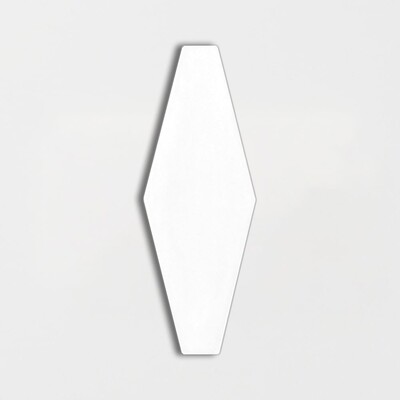
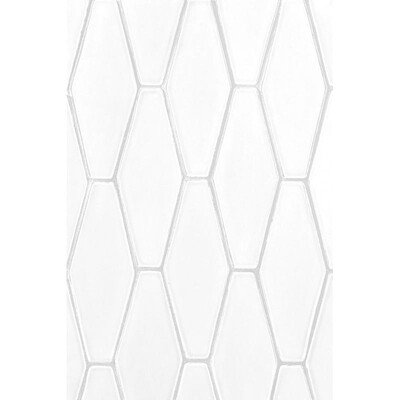
The standard hexagon is equilateral; six equal sides, symmetrical in every axis, with no directional pull. But the elongated hexagon is different. Our 3"×7⅞" elongated format has two long parallel sides and four shorter angles. Installed horizontally, it extends the perceived width of a space. When you decide to install them vertically, elongated hexagons draw the eye upward and increase apparent ceiling height. Heritage architects typically specify elongated hexagons in narrow corridor restorations where they want to correct a proportional problem without structural intervention visually.
Hexagon tile installation requires more preparation than most tile formats. A few things we've learned across our tile projects:
Ordering a sample of hexagon tiles is a crucial step. You should see how the material reflects the light. If the hexagon tile size is the right one for you, you can have all the answers by ordering a free sample from Country Floors.
For heritage tile collections, contact our team to discuss lead times before finalizing project quantities.