
No products in the cart.
A pipe gives out behind the shower wall, the plumber opens a two foot square, and suddenly the question isn’t plumbing anymore. It’s how to match original tile that was set by hand almost a century ago.
I’ve spent thirty years answering that question for homeowners, contractors, designers and architects, and these days most of those conversations happen at our Los Angeles tile showroom on Robertson Boulevard. Here is how I work through it, before anyone orders a single box.
1. Why Matching Vintage Tile Is Harder in a 1920s Home
Neighborhoods like Carthay Circle and Miracle Mile North were built largely between the early 1920s and early 1940s, and the tile in those houses came out of kilns that never fired two batches alike. Glazes pooled, edges softened, and color drifted from one run to the next.
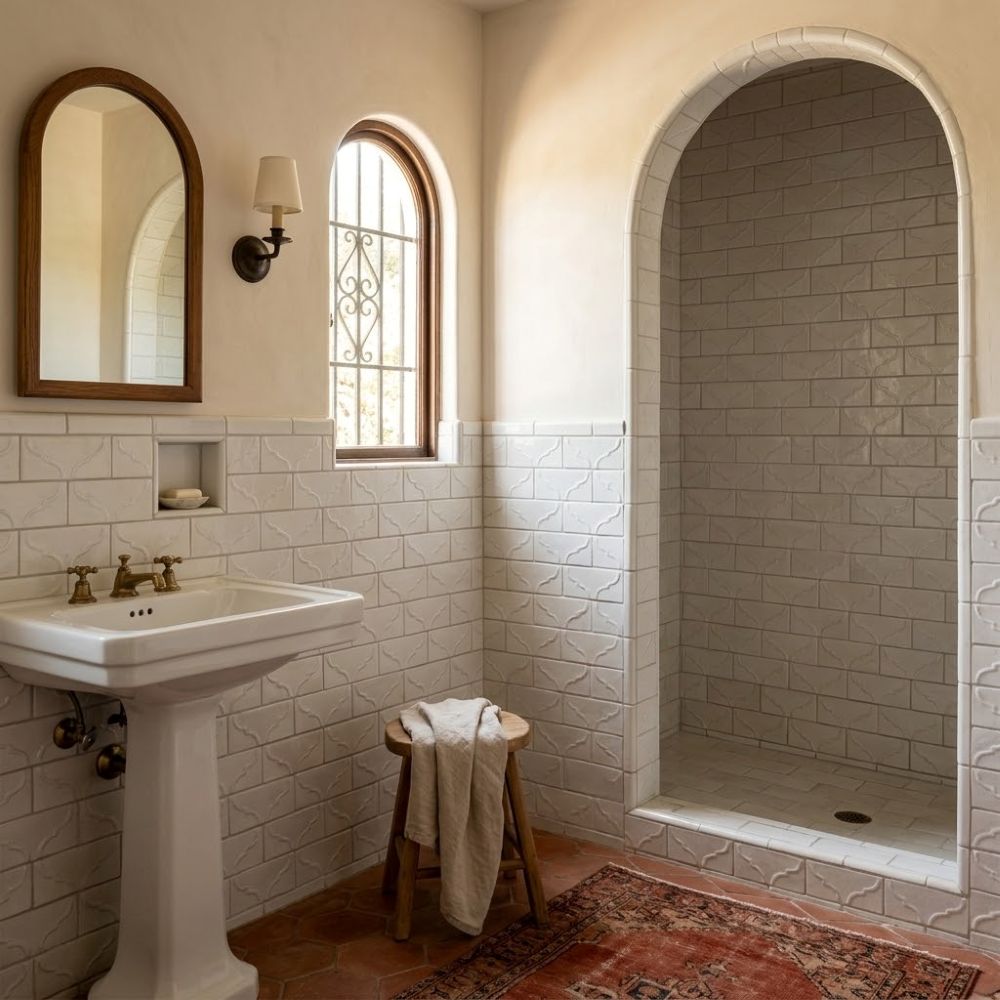
Clients usually think the hard part is finding the right shade of white. In reality, the shade is the easy part. What gives a patch away is a thicker body, a crisper edge, or a glaze that catches light differently from the ceramic tile around it. One practical note before anyone opens a wall: homes built before 1978 often have lead paint in the surrounding plaster, so make sure your contractor is EPA RRP certified, and have any old mastic or patch material tested before it’s disturbed.
2. Salvage First: Replacement Tile for an Old House Starts at Home
Homeowners often assume the answer is new tile. Very often, the best replacement is already in the house. Pieces behind the toilet, inside a vanity cabinet or under a built in can usually be lifted out and moved to the spot everyone sees, while the hidden area gets the new bathroom tile instead.
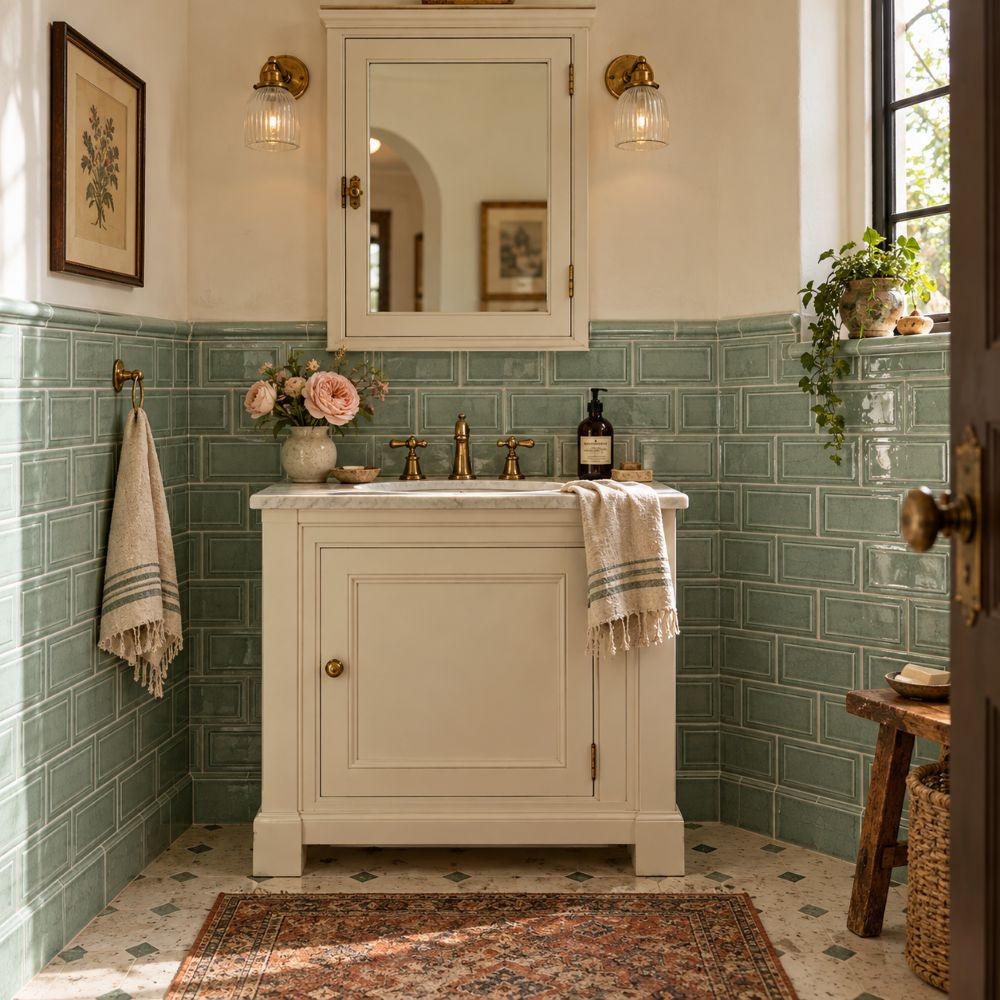
Ask your contractor to remove these with care and set them aside before demolition starts. One original piece in the right place will do more for the room than ten close matches.
3. How to Match Tile Color and Glaze Under Real Light
Most suppliers are happy to match from a photo you text over. We ask for the tile itself, because phone cameras correct color and showroom lighting flatters everything. Hold a loose original beside each candidate in daylight, then again at night under your own fixtures.
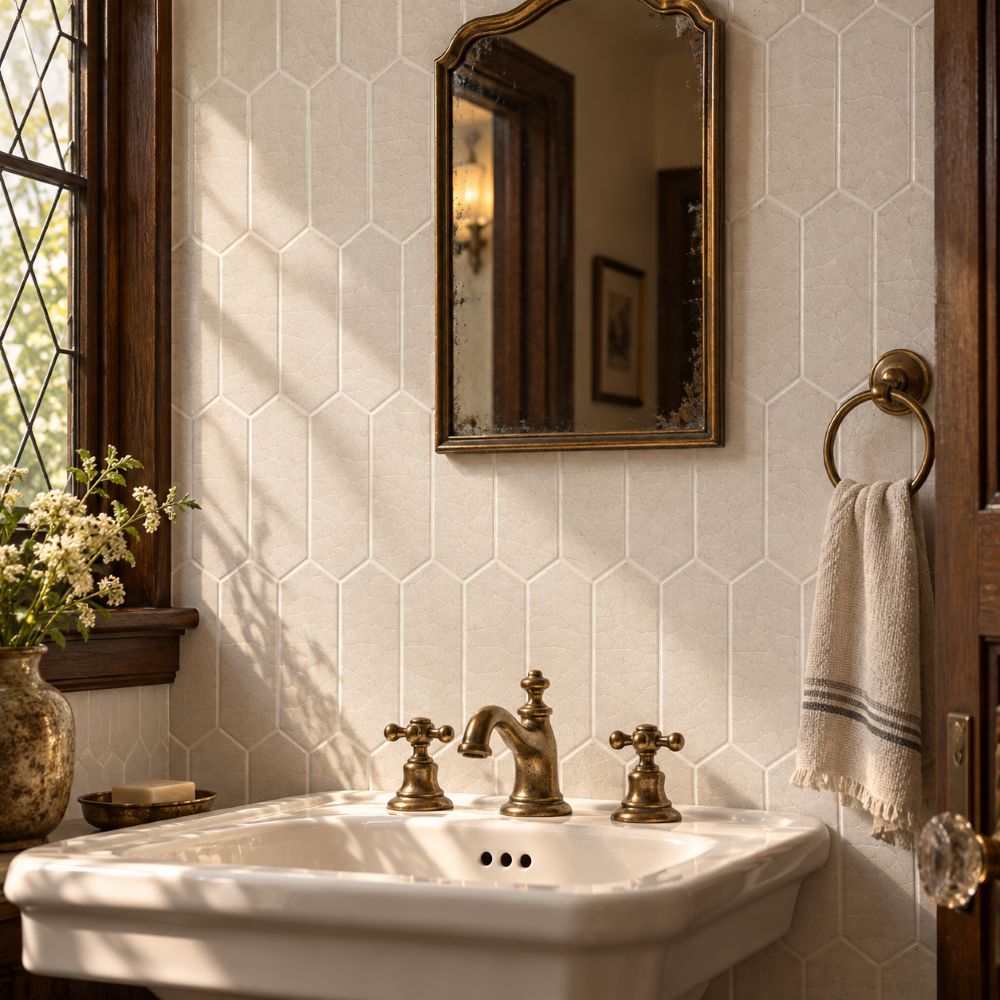
Look closely at crazing, the fine web of cracks in an old glaze, since a perfectly smooth surface reads as new from across the room. In older bathrooms, a solid color and tonal tile with a soft, slightly uneven glaze tends to sit more quietly beside the original than a flawless one.
4. How to Match Tile Thickness and Size in an Old Bathroom
Many prewar walls were set in a thick mortar bed, and the original tile is often thicker than what’s standard today. Old sizes can also be a fraction off modern formats, which pulls grout lines out of alignment within a few feet. Measure the tile itself rather than the spacing, and bring a caliper reading if you can.
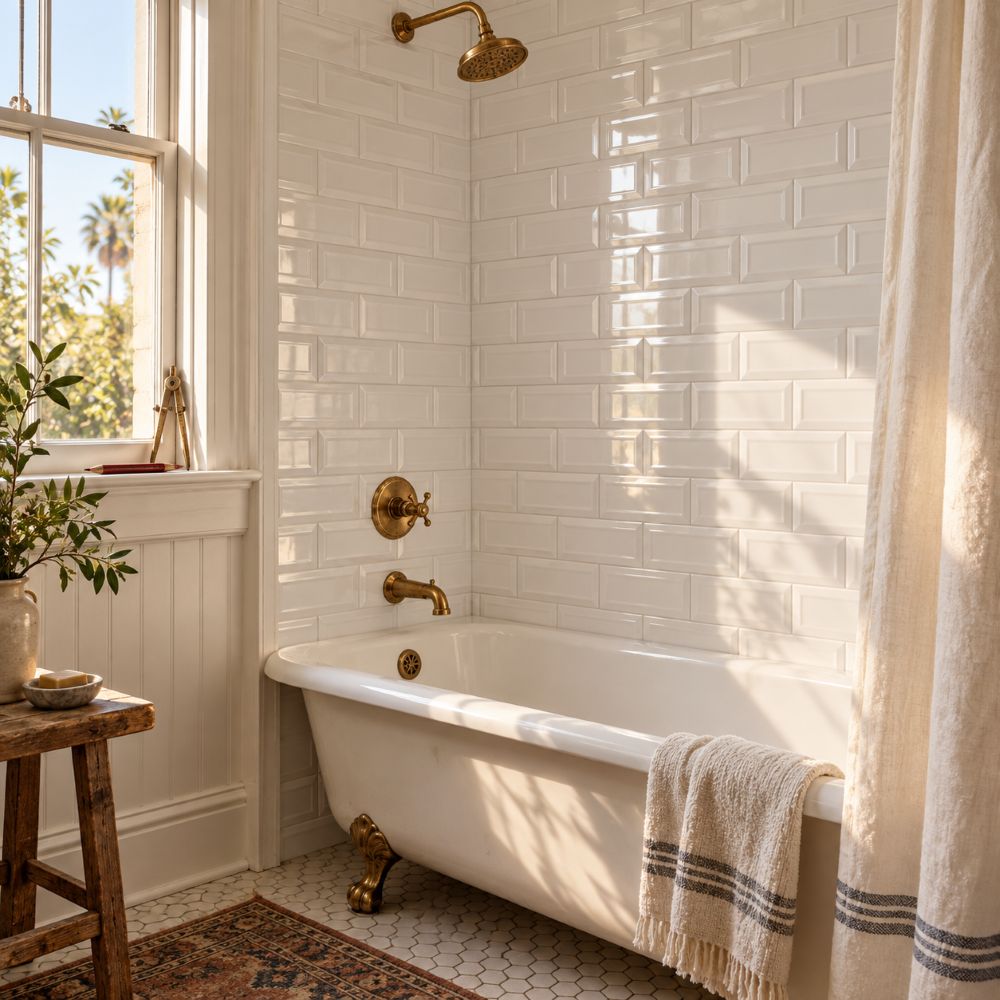
Contractors know this one well: a subway tile that looks identical from the front can sit proud of the wall or sink below it once installed, and no amount of grout will hide that edge.
5. Matching Craftsman Hex Floors and Spanish Revival Accents
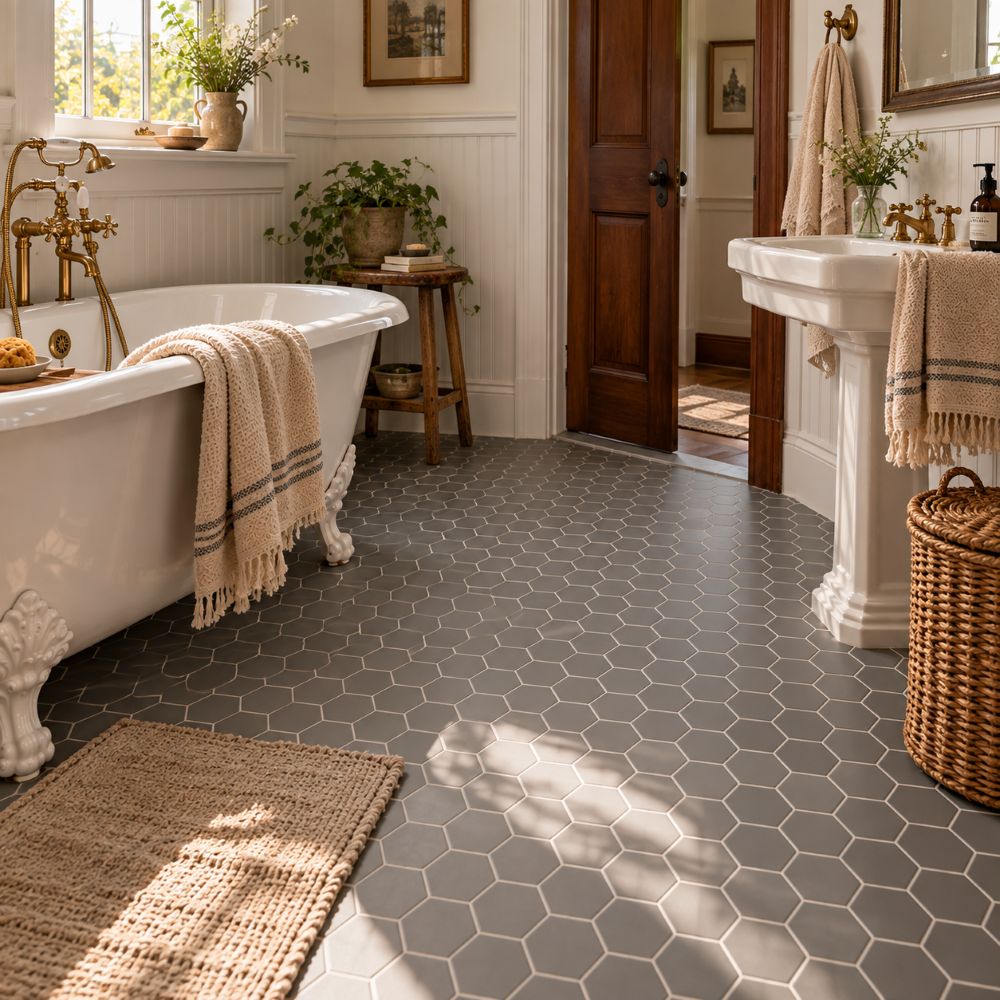
Floors and decorative pieces call for different thinking. A Craftsman bathroom floor in small white hex usually survives in sections, so the repair comes down to matching the module, the grout width and the border pattern, and our mosaics are the first place I look.
Spanish Revival homes are harder, because the original accent tile was often painted by hand. There, I would rather find a hand painted tile that speaks the same visual language than force a near copy that invites side by side comparison.
6. When a Discontinued Tile Match Isn’t Possible
Sometimes the honest answer is that the tile can’t be matched. Contractors often tell me a close match is good enough; in my experience, close but wrong looks worse than a deliberate change.
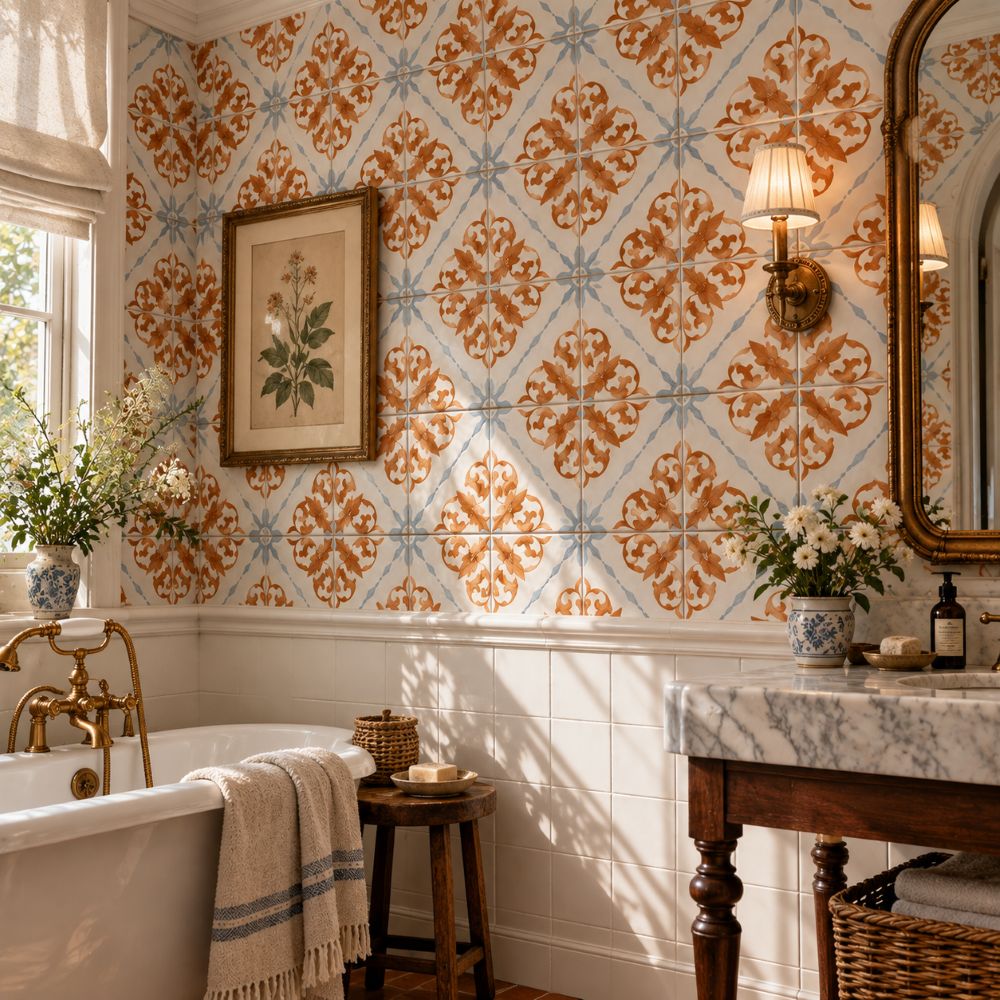
Stop the old tile at a natural line, such as a wainscot cap, a threshold or the edge of a shower, and begin something new on purpose. Finished with the right trim accessories, that break reads as a design decision rather than a repair, which is exactly how a visitor should read it.
7. Choosing New Tile With Period Character in Los Angeles
For a large repair, or a room where the original tile is the reason people fell in love with the house, the goal shifts from copying to belonging. Many people assume new tile will always look new. What actually makes tile feel old is its surface: a glaze that pools a little, an edge that isn’t razor straight, a clay body with some warmth to it.
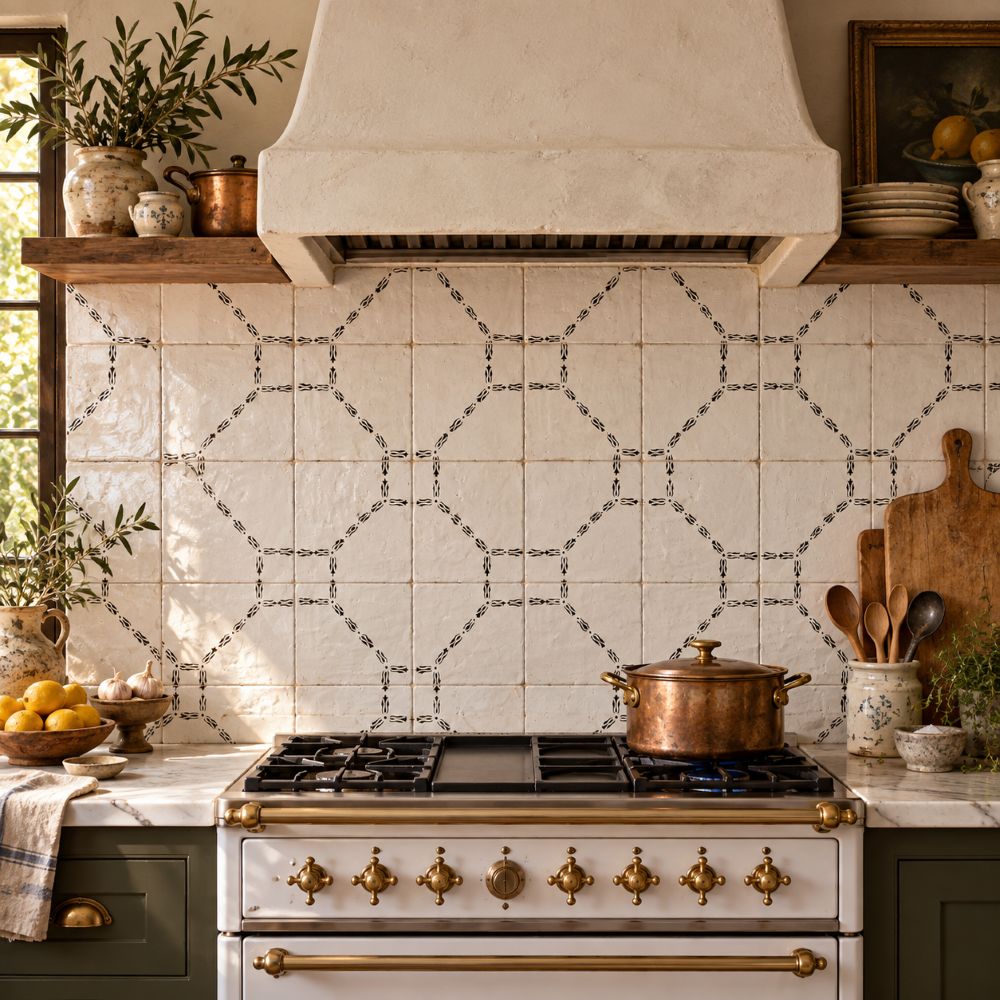
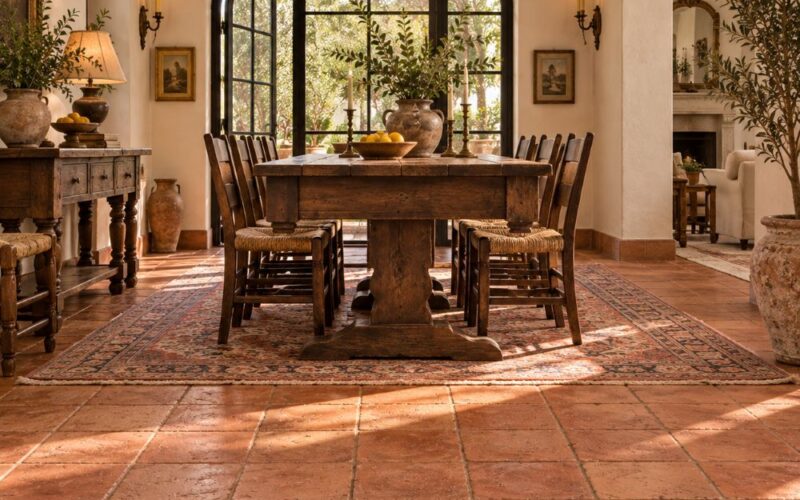
In Spanish and Mediterranean homes, glazed terracotta comes close to that feeling because the clay shows through the glaze much as older tile did, and a natural terracotta floor carries the same warmth underfoot. Ask about lead times early so the tile never holds up the rest of the job.
8. Should You Keep Original Tile or Replace It?
If the original tile is mostly sound, keep it, and let a few new pieces live in low visibility spots where they will settle into the room. If most of the surface is cracked, or a previous owner has already patched it with mismatched tile, starting fresh can be the more respectful choice for the house.
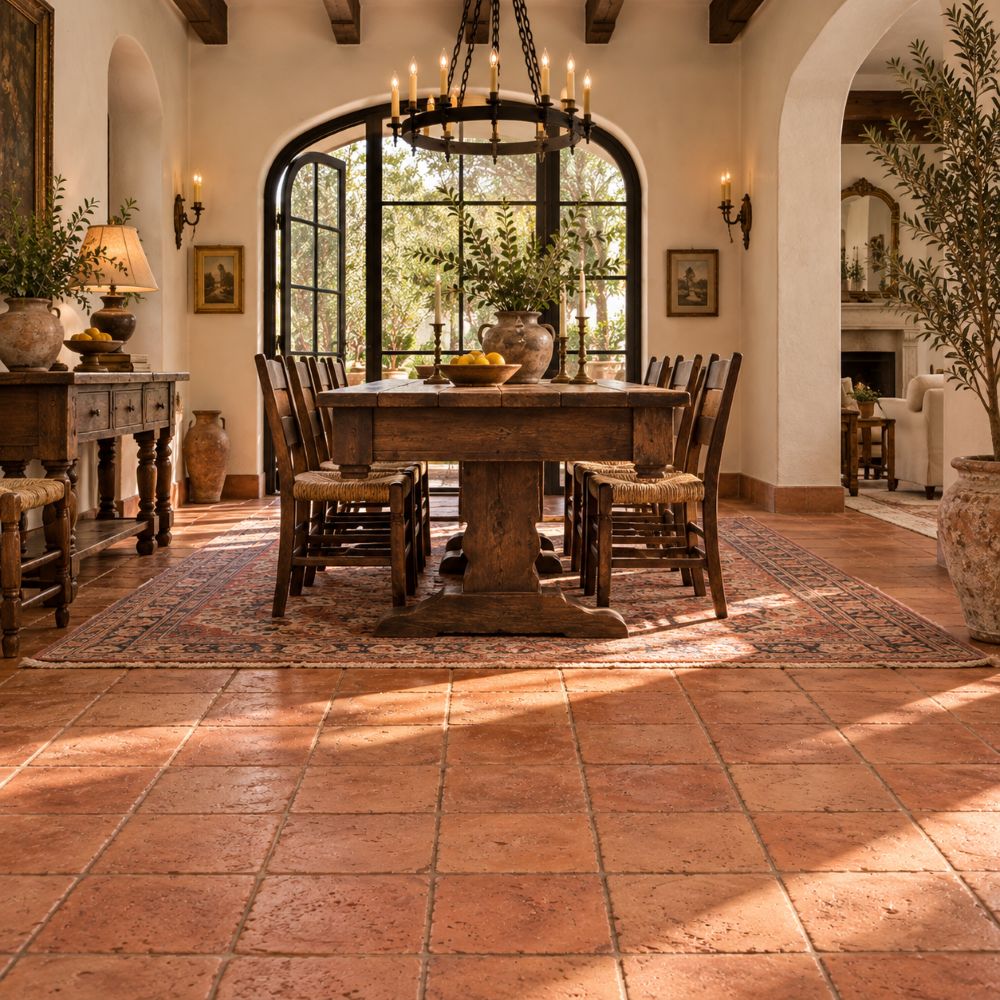
In that case, a handmade floor tile or a zellige wall can bring back the warmth the original once had, without pretending to be it.
Bring Your Original Tile to Our Los Angeles Showroom
The quickest way to match original tile is to stop guessing from photos. Wrap a loose piece in a towel, take a few pictures of the room in daylight, note the measurements, and bring all of it to our Los Angeles showroom at 113 S Robertson Blvd for a free design consultation.
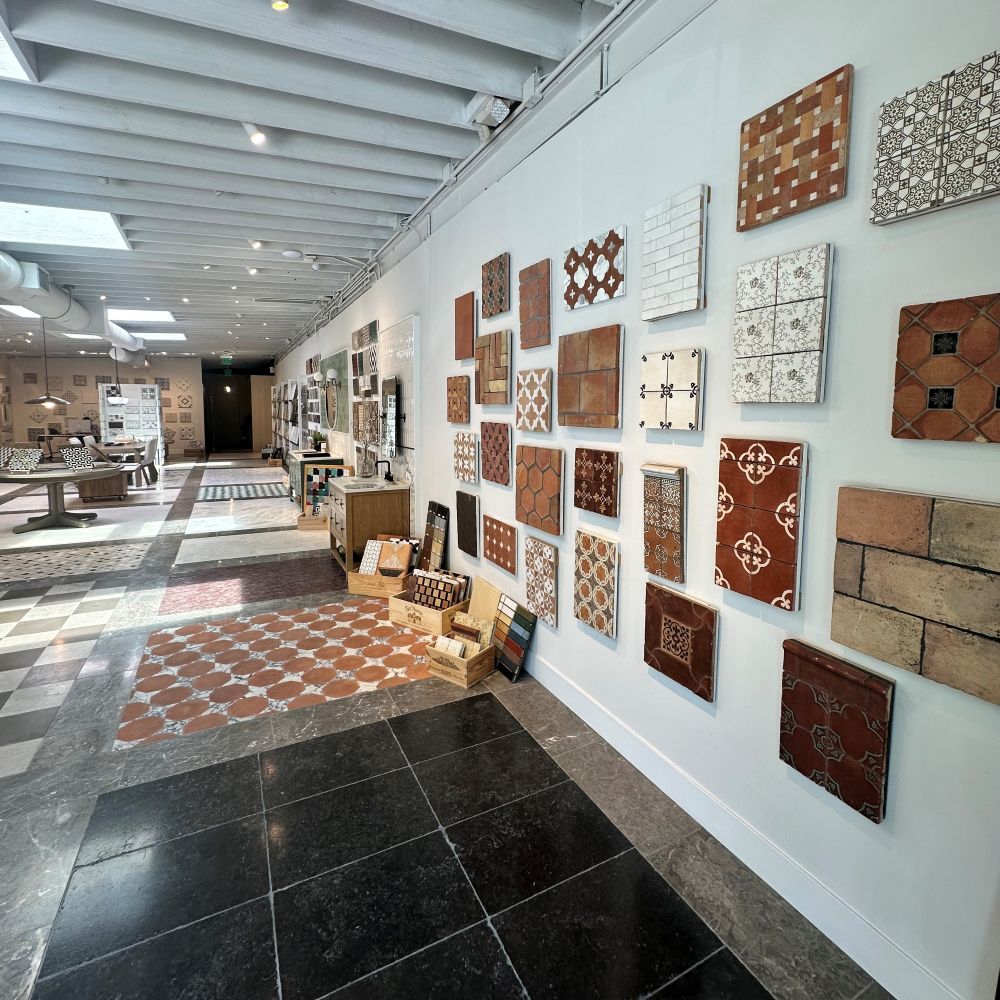
We’ll lay candidates next to your tile, talk honestly about what can be matched and what should be designed around, and help you plan a repair that respects the house you live in.