
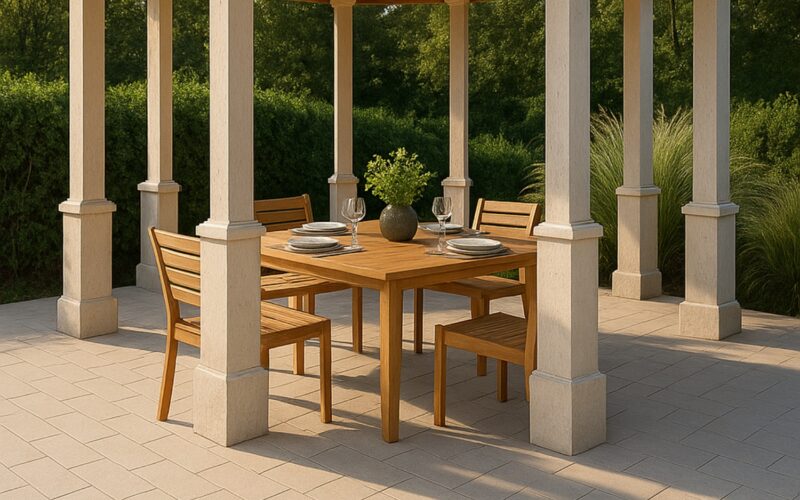
When standing on an outdated, bare concrete patio, the desire to transform it into a stunning outdoor oasis is immediate. As you search for the best way to cover that concrete, you will inevitably run into two popular design paths: temporary interlocking deck tiles and permanent stone or porcelain tiles.
While both options promise to hide ugly concrete and offer slip-resistant surfaces, they represent entirely different philosophies in terms of durability, aesthetics, and long-term property value.
As a premier destination for high-end architectural surfaces, Country Floors breaks down how these two solutions compare, helping you choose the investment that aligns with your lifestyle.
The Direct Comparison: At a Glance
| Feature | Interlocking Deck Tiles (Plastic/WPC) | Permanent Stone or Porcelain Tiles |
|---|---|---|
| Material Base | Plastic, Composite (WPC), or Thin Wood | Natural Marble, Limestone, Travertine, or Porcelain |
| Installation | DIY Snap-together (No mortar) | Professional Mortar-set (Permanent) |
| Longevity | Short to Medium (3–7 years) | Lifelong (Decades) |
| Maintenance | High (Dirt & pests trap underneath) | Low (Easy to sweep, wash, and seal) |
| Property Value | Low (Considered temporary) | High (Adds permanent equity to the home) |
| Aesthetic Aura | Casual, Rental-friendly | Resort-style, Bespoke Luxury |
Deep Dive: Analyzing the Trade-offs
of 4
The Aesthetic & Sensory Experience
- Interlocking Deck Tiles: Often made of plastic or wood-plastic composites (WPC). While they look neat initially, they can feel “hollow” or slightly bouncy underfoot because they sit loosely on top of the concrete. Over time, UV exposure can cause the plastic grids to fade or warp.
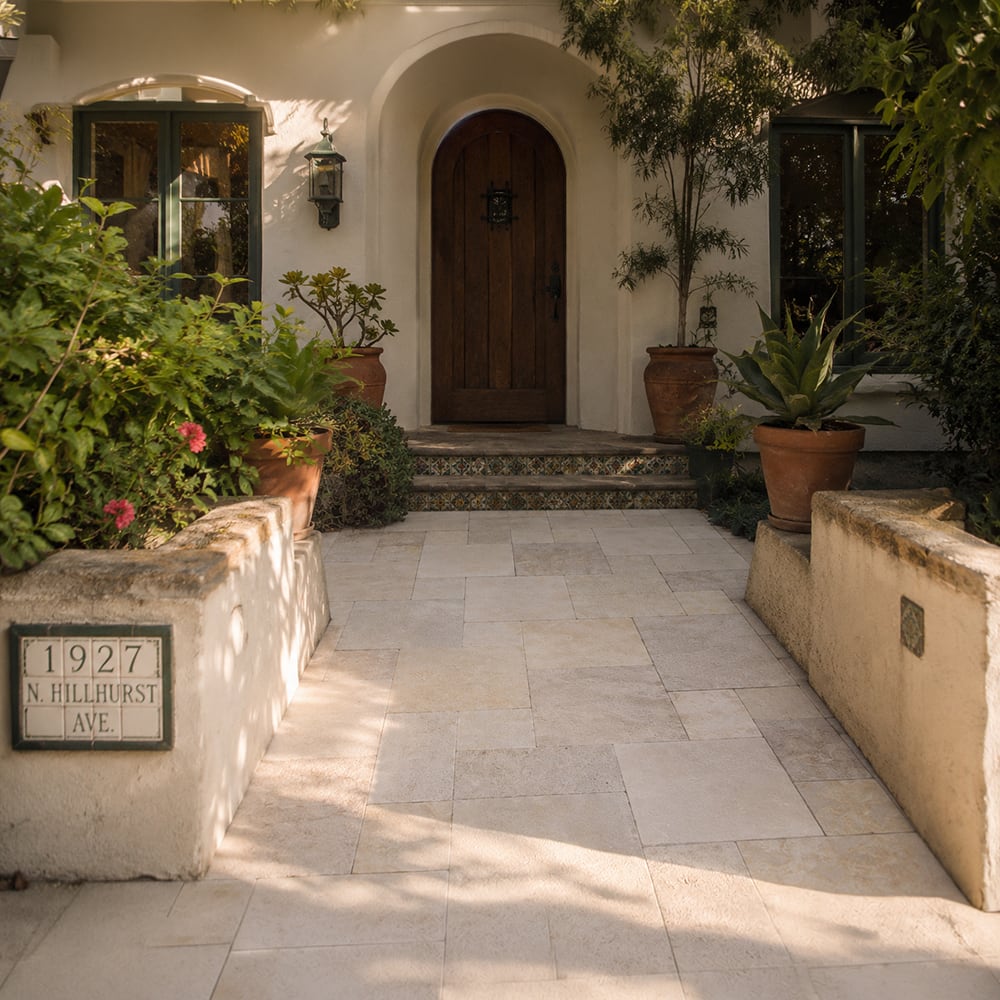
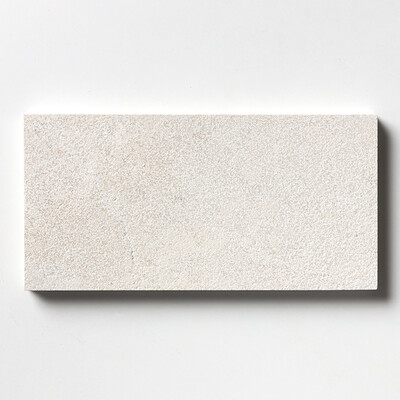
- Permanent Stone Tiles: Walking on solid, mortar-set natural stone like tumbled travertine or textured limestone feels grounded, substantial, and premium. The organic variations in authentic stone bring a resort-like, bespoke energy to a terrace that artificial materials simply cannot replicate.

02
of 4
What Happens Underneath? (The Hidden Dirt Trap)
The biggest hidden drawback of interlocking tiles is what happens beneath them.
Because they feature open drainage grids, dirt, leaves, pet dander, and food crumbs slip through the cracks and settle directly onto the concrete substrate. Over time, this dark, damp space becomes a breeding ground for mold, mildew, insects, and foul odors.
Cleaning it requires completely snapping open the deck tiles to power-wash the concrete underneath.
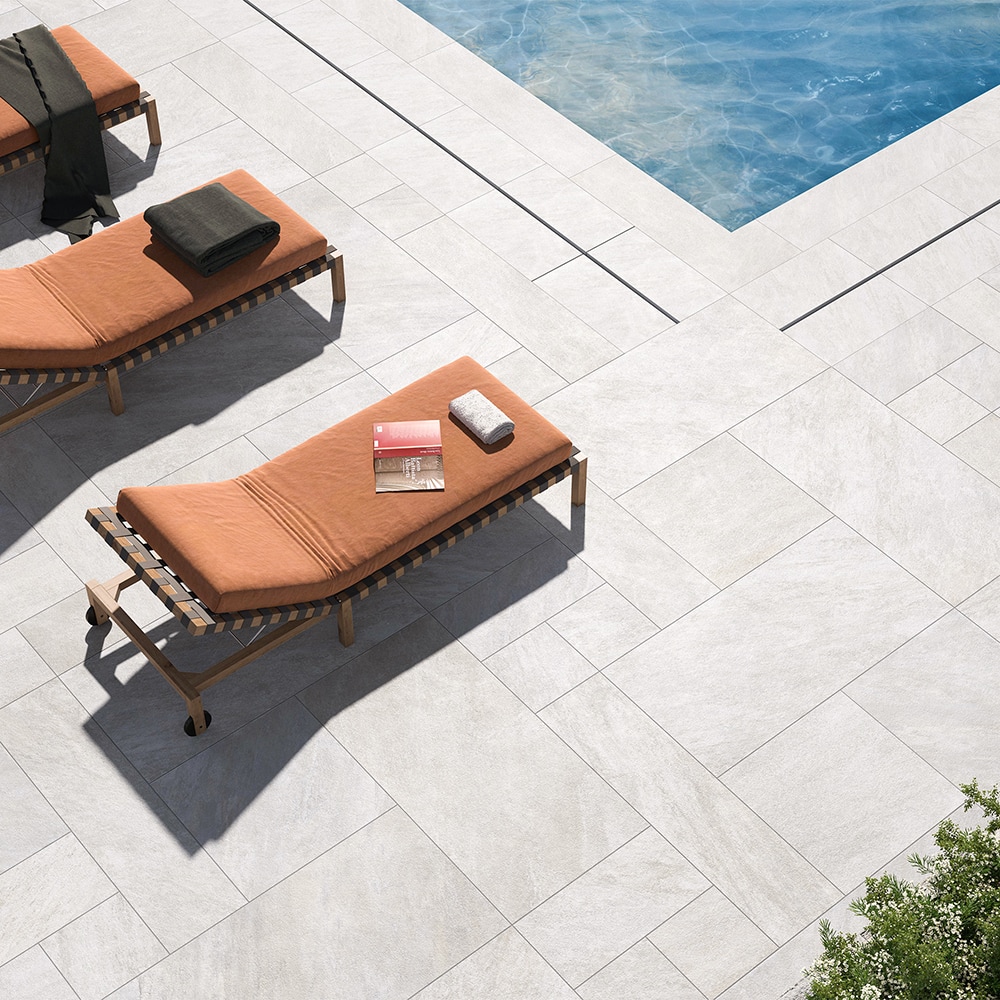
In contrast, permanent tile installations are fully sealed with grout and mortar. Water drains smoothly off the sloped tile surface, leaving no hidden cavities for pests or mold to thrive.
03
of 4
Safety and Slip Resistance (Non-Slip Dynamics)
- Interlocking Tiles: Usually feature ridges or slotted patterns to provide traction. However, if the underlying concrete stays damp, slime can build up through the gaps, creating unexpected slip hazards.
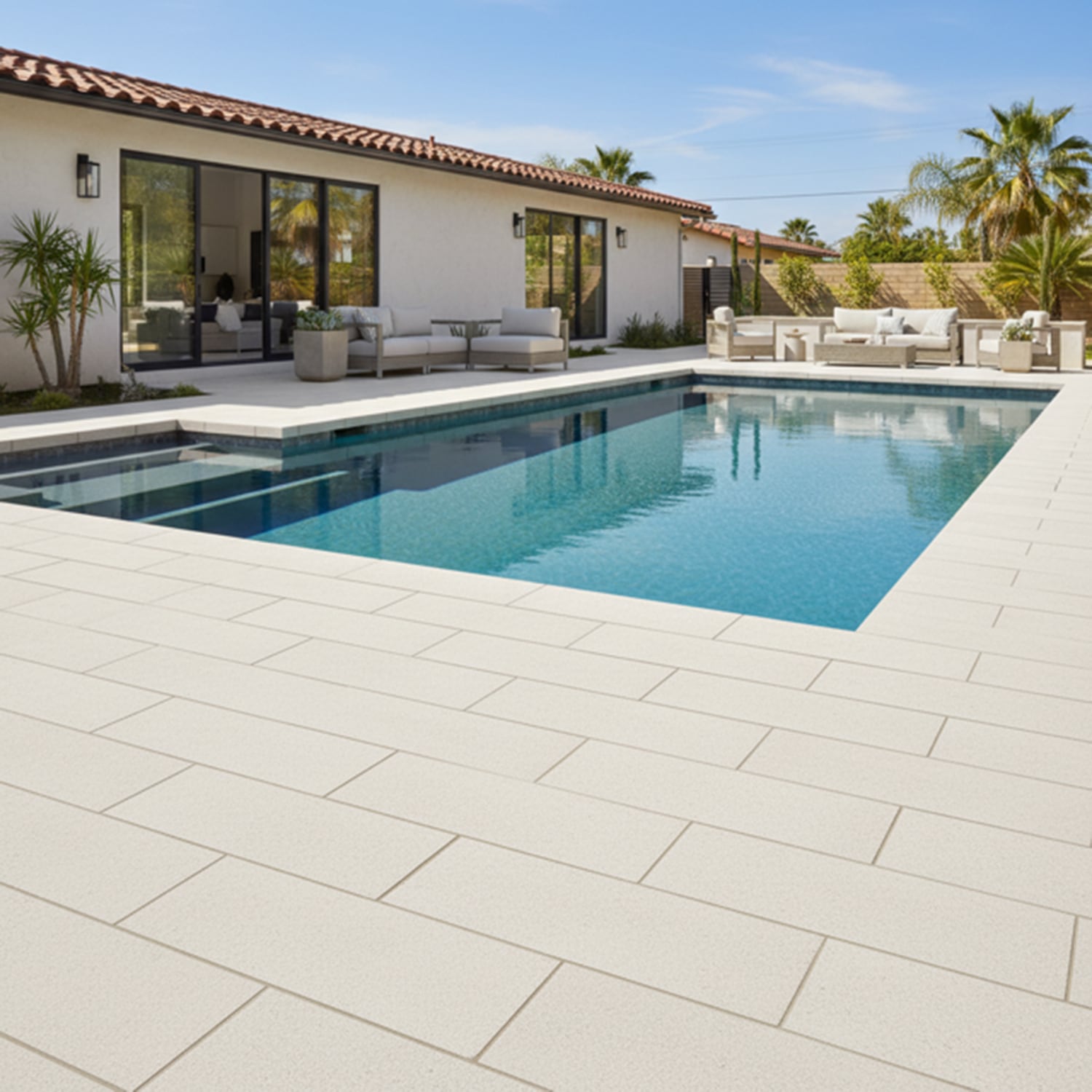
- Permanent Tiles: By selecting a Country Floors stone or European porcelain with a certified high DCOF (Dynamic Coefficient of Friction) or textured finish (like sandblasted or tumbled), you achieve an unyielding, skid-resistant surface. This makes permanent tiles the gold standard for luxury pool surrounds and rain-exposed verandas.
04
of 4
ROI and Home Resale Value
Temporary snap-together tiles are a great quick fix for a temporary apartment balcony or rental property. However, real estate appraisers do not view them as a permanent upgrade.
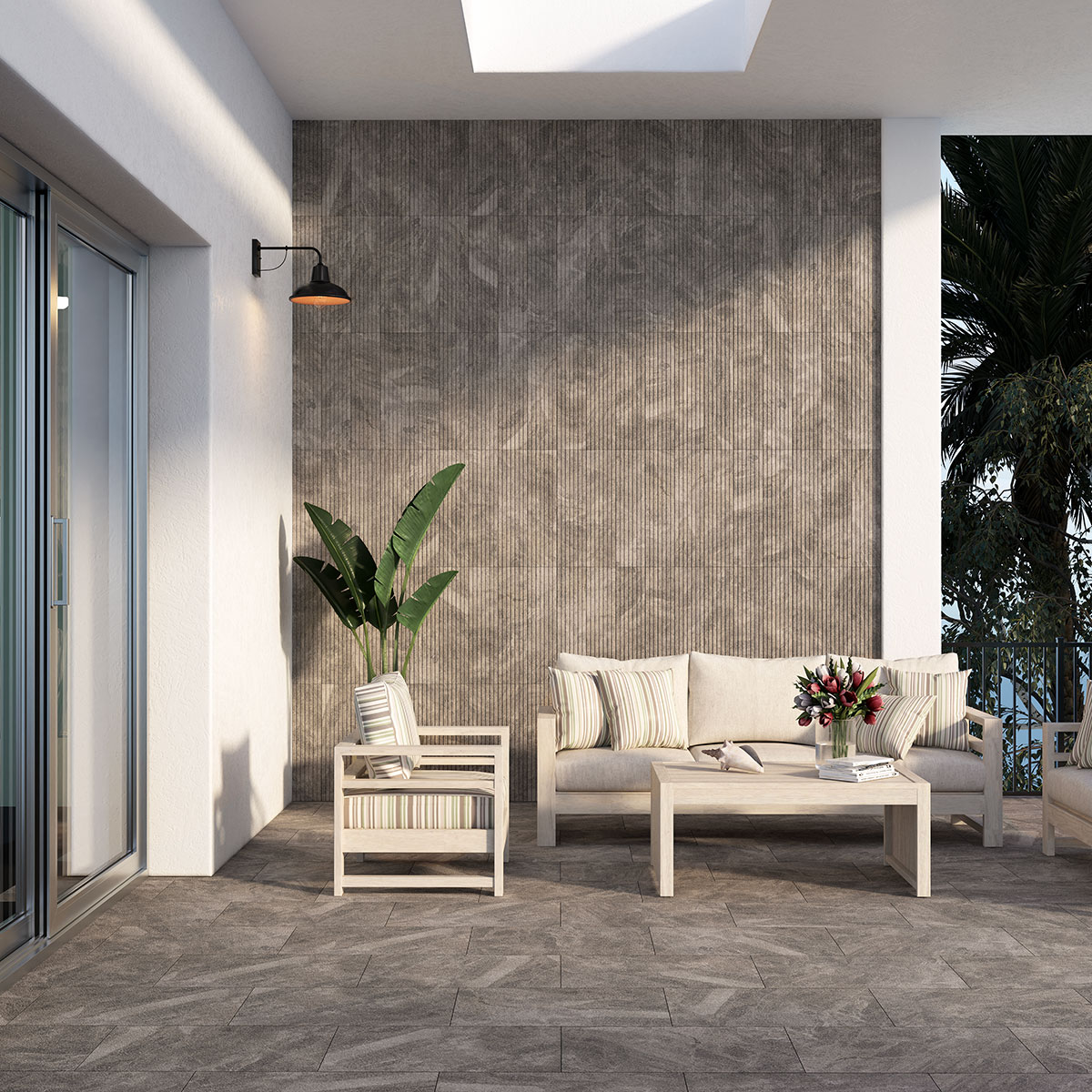
An elegant, professionally installed natural stone patio acts as a true structural addition to your home. It seamlessly extends your indoor square footage into an outdoor living room, significantly increasing the curb appeal and market value of your property.
The Verdict: Which Should You Choose?
- Choose Interlocking Tiles if: You are currently renting, working with a tight temporary budget, or need a quick 2-year fix that you can easily remove later.
- Choose Permanent Stone Tiles if: You own your home, value timeless architectural beauty, want a low-maintenance sanctuary, and view your outdoor patio as a permanent investment in your property’s equity.
Transform Your View with Country Floors
Your patio deserves a surface that ages beautifully alongside your home. Discover Country Floors’ exclusive collection of exterior-grade stones, terracotta, and high-performance slip-resistant porcelains designed to bond seamlessly over your existing concrete slab. Find the best outdoor tile over concrete today.