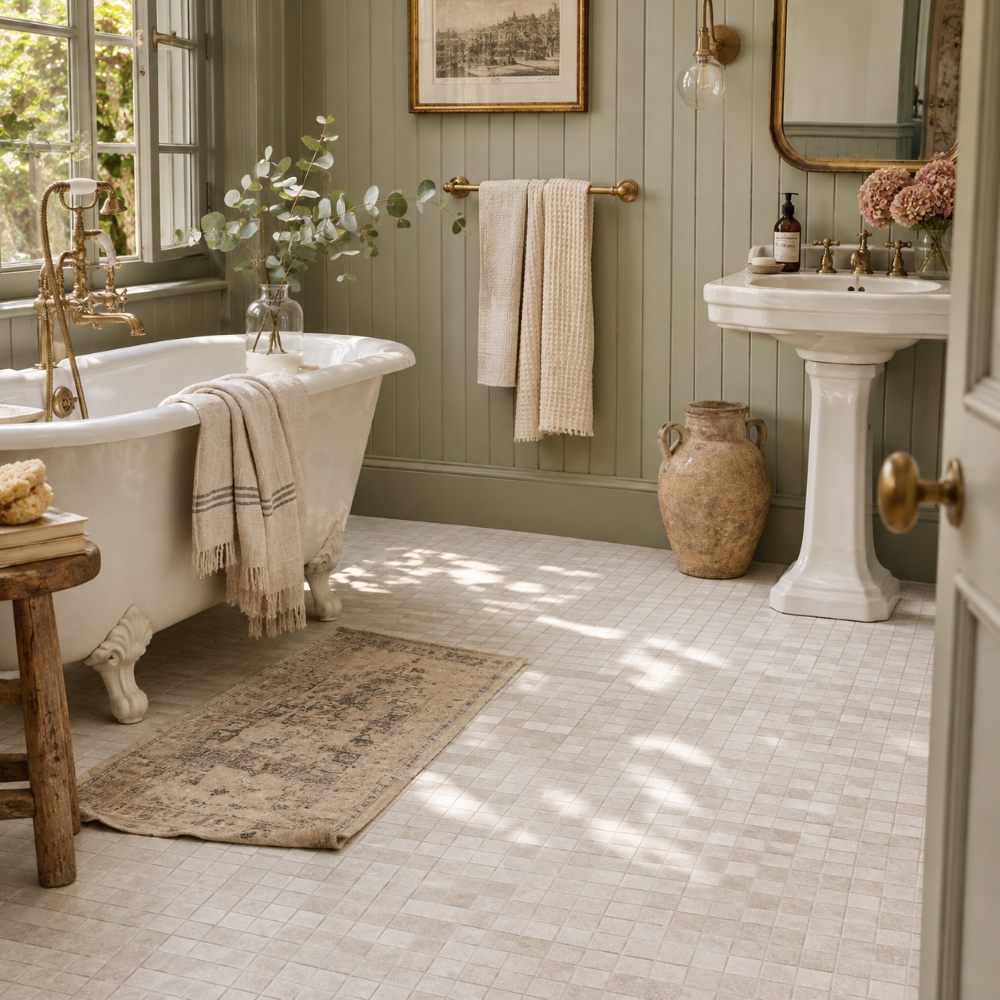
Why Are My Floor Tiles Popping Up? Causes and Lasting Fixes

Sunlit porcelain floor by sliding glass doors, where tile tenting and floor tiles popping up begin.

It usually starts with a sound: a sharp crack at night, then a row of tiles near the terrace door standing up like a tent. Floor tiles popping up feel like a betrayal.

After thirty years on these floors with homeowners, contractors and architects, I can tell you the tile is rarely the culprit. The answer is almost always underneath it.


How to Fix Floor Tiles Popping Up and Stop It From Happening

01

of 15

What Floor Tiles Popping Up Actually Looks Like
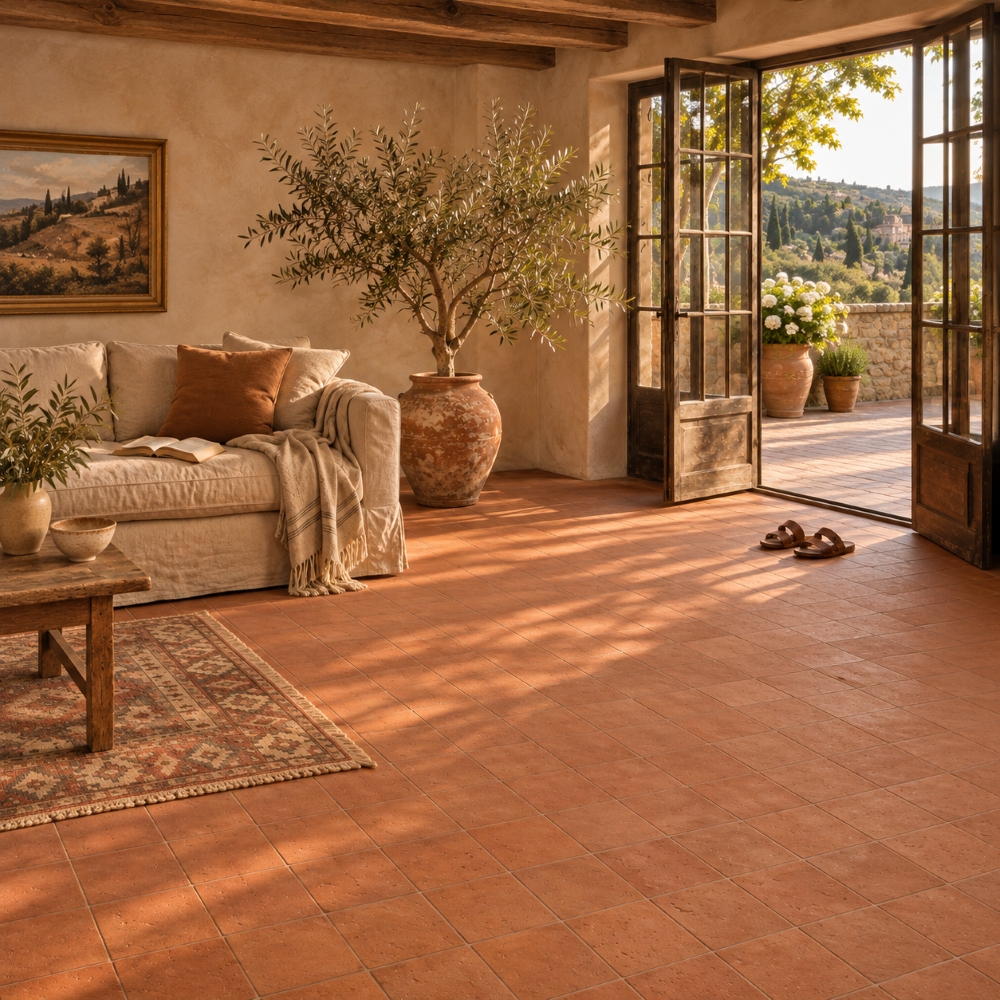
Some floors lift in a ridge, others loosen one piece at a time, and some simply sound different underfoot.

Knowing which one you have tells you whether you need a patch or a plan. Walk the room in socks first; your feet find the edges.

02

of 15

Tile Tenting: When Tiles Rise in a Ridge

Tile tenting is the dramatic version. Two rows press against each other and rise into a peak, often with the loud bang people describe as tiles exploding. It is stored stress letting go. Keep people off it; the edges can be sharp.

03

of 15

Hollow Sounding Tiles: Are They a Problem?

Clients often assume a hollow sound means the floor is failing, but in reality the industry does not treat it as a defect on its own.

It may point to voids in the mortar, or simply to what the tile sits on. Watch for change: a hollow patch that spreads, rocks or cracks its grout needs attention.

04

of 15

What Causes Floor Tiles to Pop Up?

Tile and the slab beneath it move with heat, moisture and time, at different rates. When that movement has nowhere to go, the weakest bond gives way. In most floors I am called to, the cause was decided on installation day.

05

of 15

No Room to Expand: Missing Movement Joints

The most common mistake we see is tile laid tight to every wall with no movement joints. Industry guidelines call for flexible joints at the perimeter and through the field, about every 25 feet indoors.

Grout cannot do this job. A soft sealant joint, hidden under a baseboard or finished with trim accessories, can.

06

of 15

Heat and Sunlight Near Doors and Windows

Sun warms the tile near glass doors, and a bright living room floor tile moves more than the shaded hall beside it.

For sunlit interiors, the guidelines tighten field joints to 12 feet. Where tile sits on concrete under strong sun, I treat that as non-negotiable.

07

of 15

Too Little Mortar Under the Tile

Under a failed tile we often find a few dabs of mortar and a lot of air. Standards call for at least 80 percent contact in dry rooms and 95 percent in showers, with corners and edges supported. A bathroom floor tile set on spots can look perfect for years, then let go at once.

08

of 15

Why Tiles Pop Up After 5 or 20 Years

Slabs settle, houses shift, and an earthquake or a dry winter adds stress to a floor that never had room to move. Time does not cause the problem. It reveals it.

09

of 15

How to Fix Popped Up Floor Tiles: Repair or Replace?
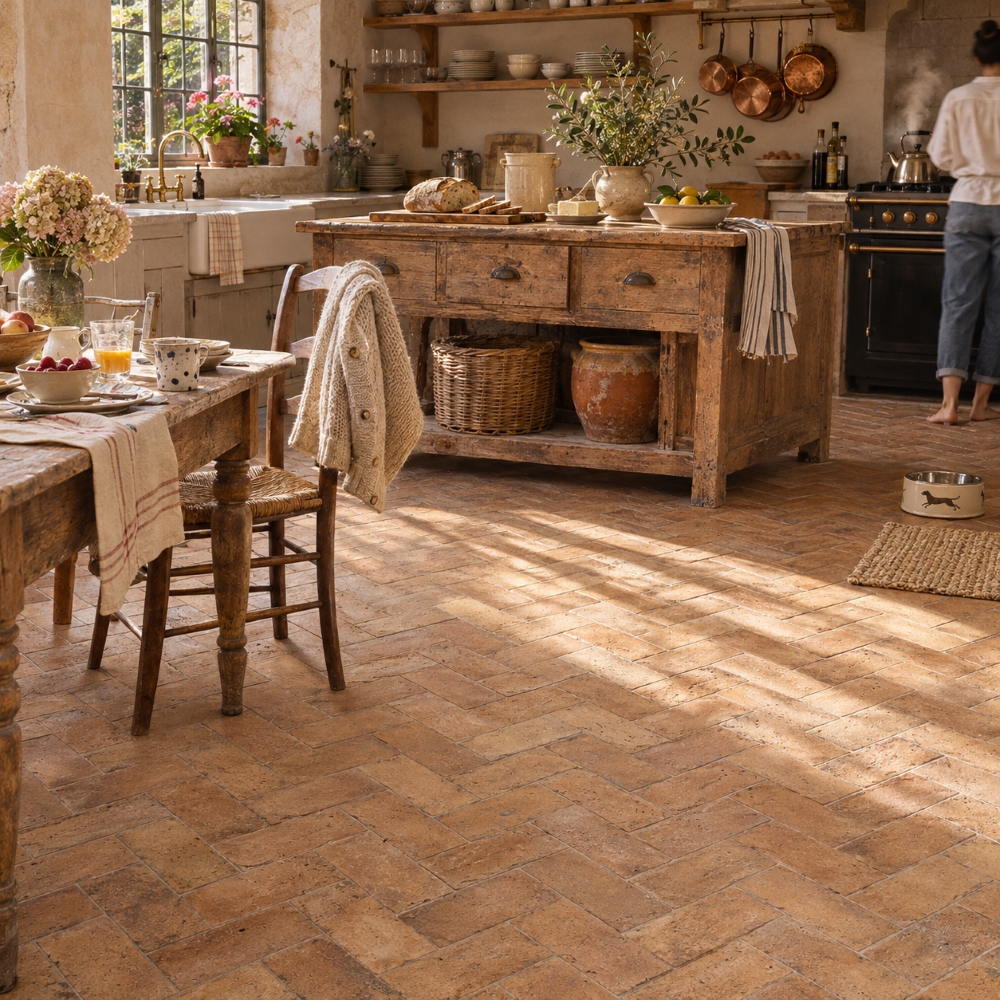
A few loose tiles can usually be lifted, cleaned and reset, as long as the cause is corrected at the same time. If tenting runs across a room or the slab is cracked, resetting only delays the next failure.

When the damage stops at a few broken joints or empty spots, you can often fix cracked grout and replace missing tiles without disturbing the rest of the floor.

10

of 15

Older and Historic Floors: Save What You Can

Vintage hex, a terrazzo tile hallway or patterned cement tiles often deserve repair, not replacement, and knowing how to clean, seal and match old cement tiles can save a floor that looks lost.

Salvage loose pieces whole and number them. They become your reference for any match.

11

of 15

How to Prevent Tiles From Popping Up Again
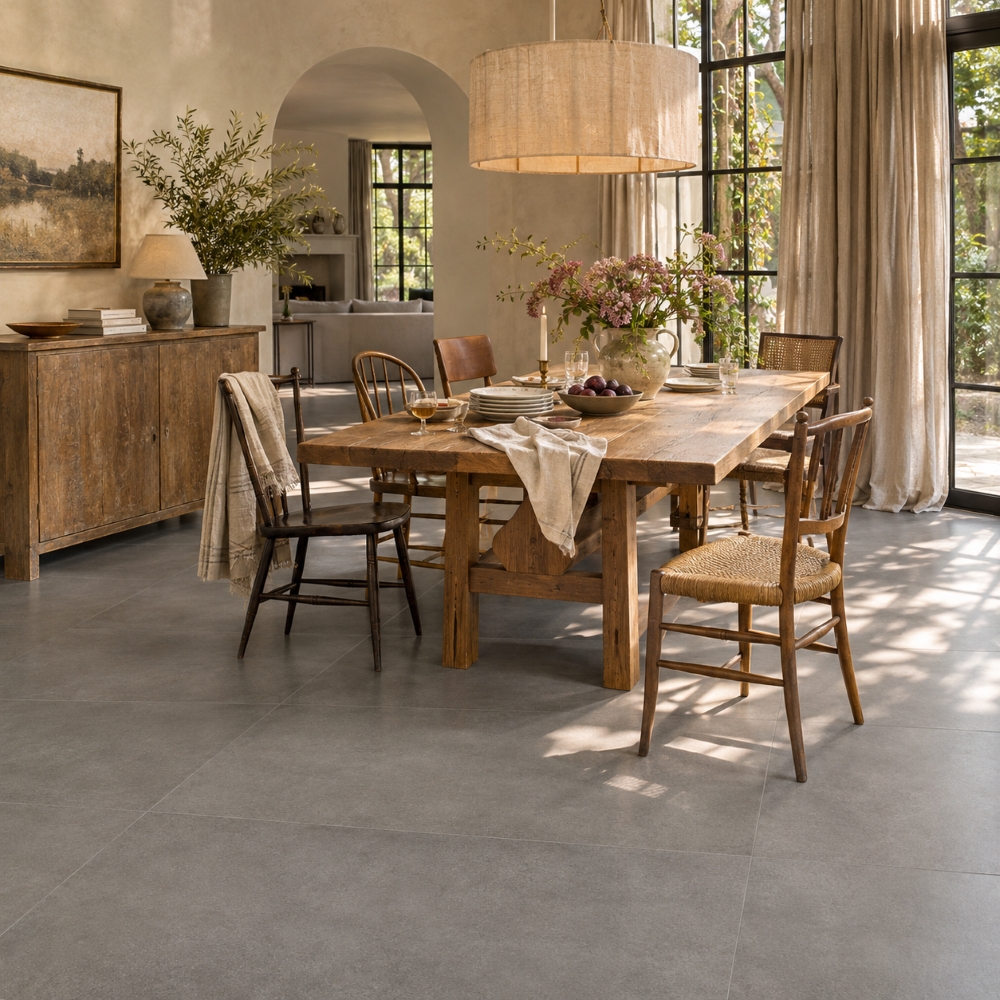
Most suppliers sell the box and stop there. We would rather talk about the slab, the light and the joints first, because those decide whether beautiful floor tiles stay down.

Large format porcelain tile needs a flatter floor than small pieces, and every tile needs full support.

12

of 15

Handmade, Terracotta and Zellige: Full Mortar Coverage

Handmade tile carries the maker’s hand on its back as well as its face. Natural terracotta tile and zellige tile vary in thickness, so each piece should be back buttered. That patience is why some of these floors outlive their houses.

13

of 15

Matching an Existing Floor With Made to Order Tile

When only a few pieces are lost, our handpainted tiles and mosaic tiles let us come close in size, color and spirit.

Bring a salvaged tile rather than a photo, because the best way to match old tile is side by side under real light. Screens lie about color.

14

of 15

Questions to Ask Your Installer

Ask where the movement joints will go and how they will be finished. Ask how mortar coverage will be checked, whether handmade pieces will be back buttered, how flat the slab is, and whether sanded or epoxy grout suits the joint width you have chosen.

15

of 15

Bring a Loose Tile to the Showroom

If your floor has started to lift, bring a loose tile and a few photos of the room to our tile showroom.

We will look at it with you, talk honestly about repair or replacement, and help you choose a floor that stays where you put it.

FAQ

Are hollow-sounding tiles always a sign my floor is failing?

No, hollow sounding tiles are not a defect on their own, but if they rock, crack their grout or spread across the room, have an installer inspect the floor.

You can reset a few loose tiles, but unless missing movement joints or thin mortar coverage are corrected underneath, floor tiles popping up will usually return.

Handmade terracotta and zellige stay firmly bonded when each piece is back-buttered for full mortar coverage and the floor has proper movement joints, because installation, not the tile, is the usual cause of failure.

Previous Article Next Article